


Where does the 2013 GT 5.0 get the extra 8 horsepower?


Swamp Donkey Aficionado

Joined: November 23, 2006
Posts: 1,863
Likes: 0

If the definitive information regarding whether or not the 2013 Coyote retains its oil squirters is your "marketing gimmick" theory, then you'll forgive me if I remain skeptical. Considering the 2013's aren't even out, yet, I was simply asking mycroft how he could "know for a fact" that no changes were made to the '13 Coyote. Perhaps you should follow your own advice and read one's post before replying to it, let alone beginning it with a lecture about reading.
"If" there was a change for the 2013's, it's likely tuning related and not anything within the engine itself.
I seriously doubt it though. In the past every time Ford bumped power on it's mustang line-up, they were very specific about what changes were made. For instance, the head redesign from 97-98 and then again from 98-99/04. Again head redesign in 05 and new VCT technology. Other examples include the current Powerstroke powered Super Duties. When Chevy put out their new Duramax with more torque, Ford specifically stated they'd reworked the ECU for more power and even went as far as to tell current owners to bring their trucks in and they'd do a reflash.
I seriously doubt it though. In the past every time Ford bumped power on it's mustang line-up, they were very specific about what changes were made. For instance, the head redesign from 97-98 and then again from 98-99/04. Again head redesign in 05 and new VCT technology. Other examples include the current Powerstroke powered Super Duties. When Chevy put out their new Duramax with more torque, Ford specifically stated they'd reworked the ECU for more power and even went as far as to tell current owners to bring their trucks in and they'd do a reflash.
Now we get an 8 hp bump with a vague statement about "lessons learned developing the roadrunner." If there were actual changes to the engine that created this extra power, Ford would let it's dealers and customers know, much like they have in the past. Or heck, put their engineers on video like they have with the GT500 just recently. I see no reason why that would change for the 2013 GT.
Bingo. Until someone tears down a 2013 Coyote, everything stated in this thread and the thread found in the "pinned section of this forum itself" is pure speculation and conjecture.

GTR Member
Joined: September 28, 2009
Posts: 6,284
Likes: 1
Clearly this thread has devolved into another ignorant argument about whether or not Ford is lying to us and didn't change anything about the motor. Like MARZ said, until someone cracks open a 2013 Coyote, the majority won't know for sure. Those that do haven't been given the go ahead to divulge that information, and aren't going to burn bridges with their sources over making the public happy.
With that said, it's time to close this discussion again. When the facts come out, some of you should enjoy the taste of crow.
With that said, it's time to close this discussion again. When the facts come out, some of you should enjoy the taste of crow.
GTR Member
Joined: September 28, 2009
Posts: 6,284
Likes: 1
Swamp Donkey Aficionado
Joined: November 23, 2006
Posts: 1,863
Likes: 0


Bear Eats King...
Bear ****s Bone
Bear ****s Bone
Joined: September 5, 2011
Posts: 5,473
Likes: 2
From: Cleburne, Tx
Originally Posted by mycroft
The math above checks out. The rule is SAE +/- 1%. If your engine dynos at 416, subtract 4 (1%) to be conservative for 2011 = 412. Add 4 (1%) for 2013 = 420. There's no mystery, I know for a fact that they didn't change anything.
Squirters are still in place last time I had a discussion about the coyote.
Squirters are still in place last time I had a discussion about the coyote.
 what now???



Thread Starter
Shelby GT350 Member
Joined: May 18, 2010
Posts: 2,318
Likes: 15
From: CT
Sooo...looks like the poor ba$tards who ran tunes and had failures did Ford's R&D for them.
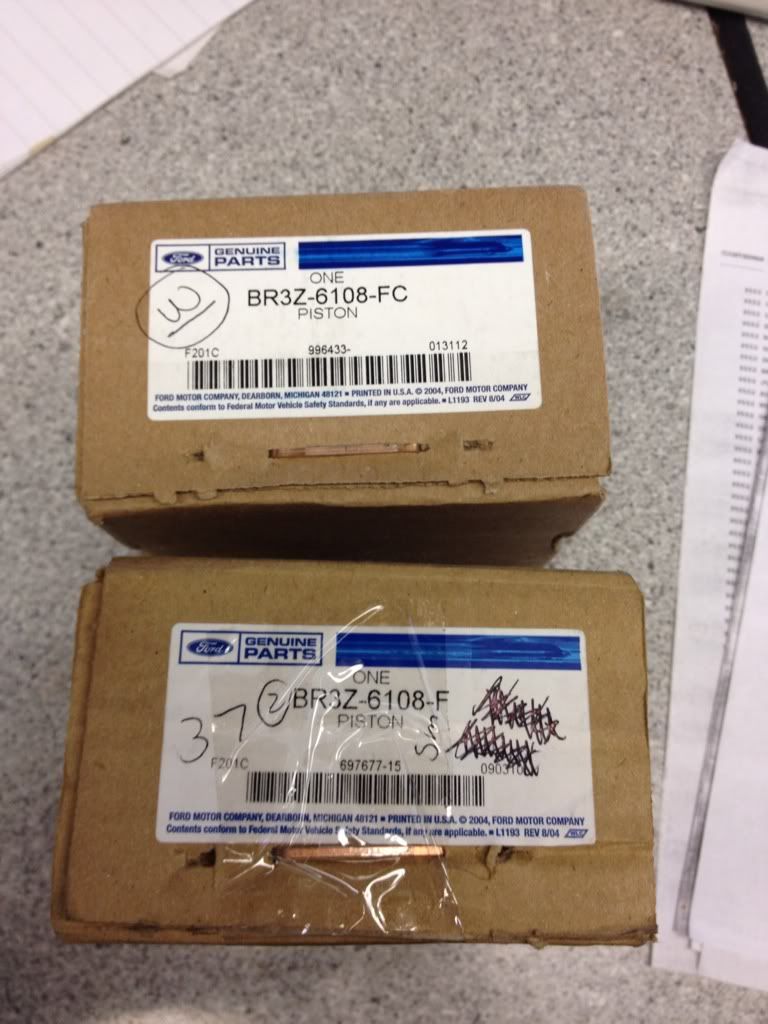
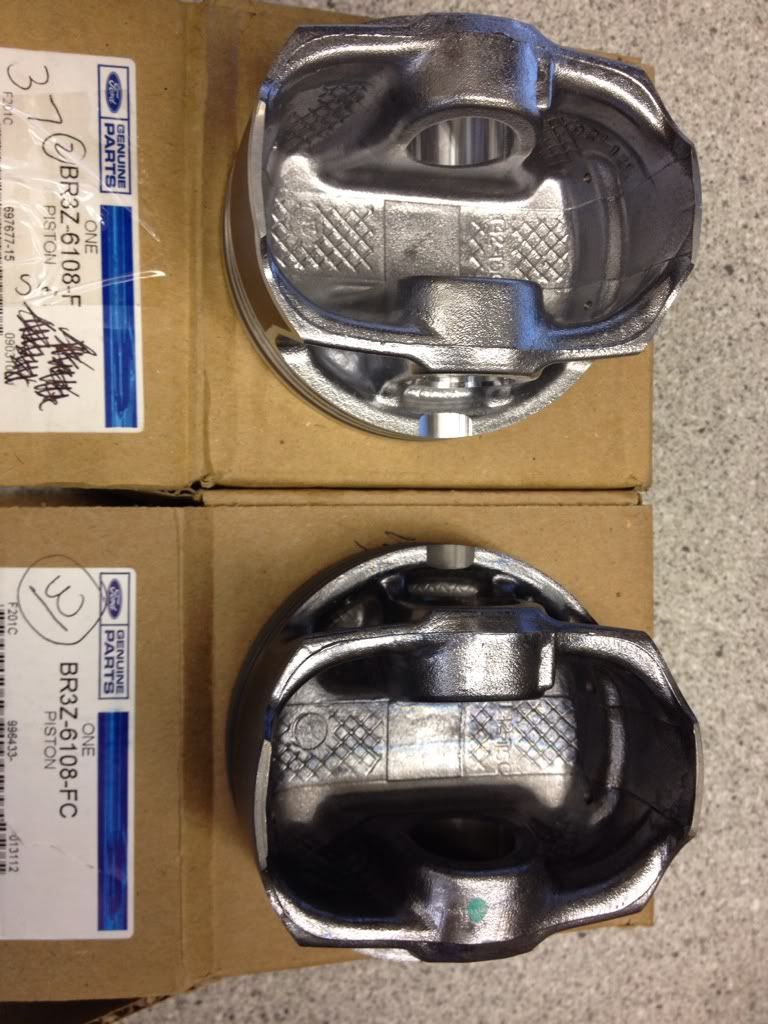
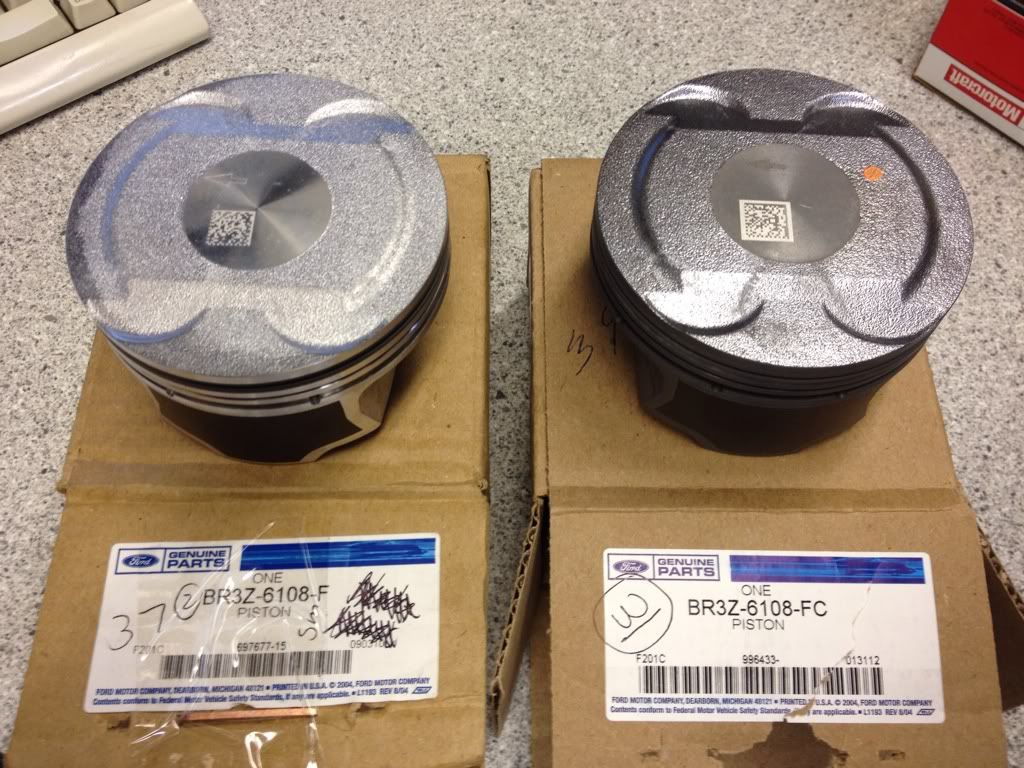
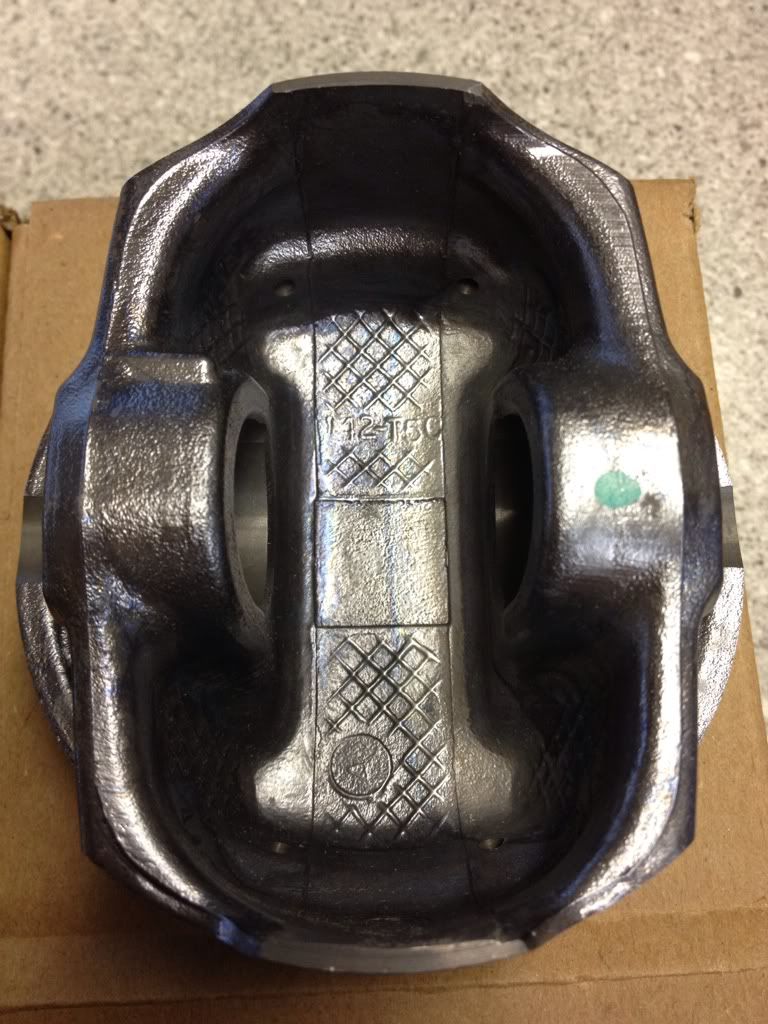
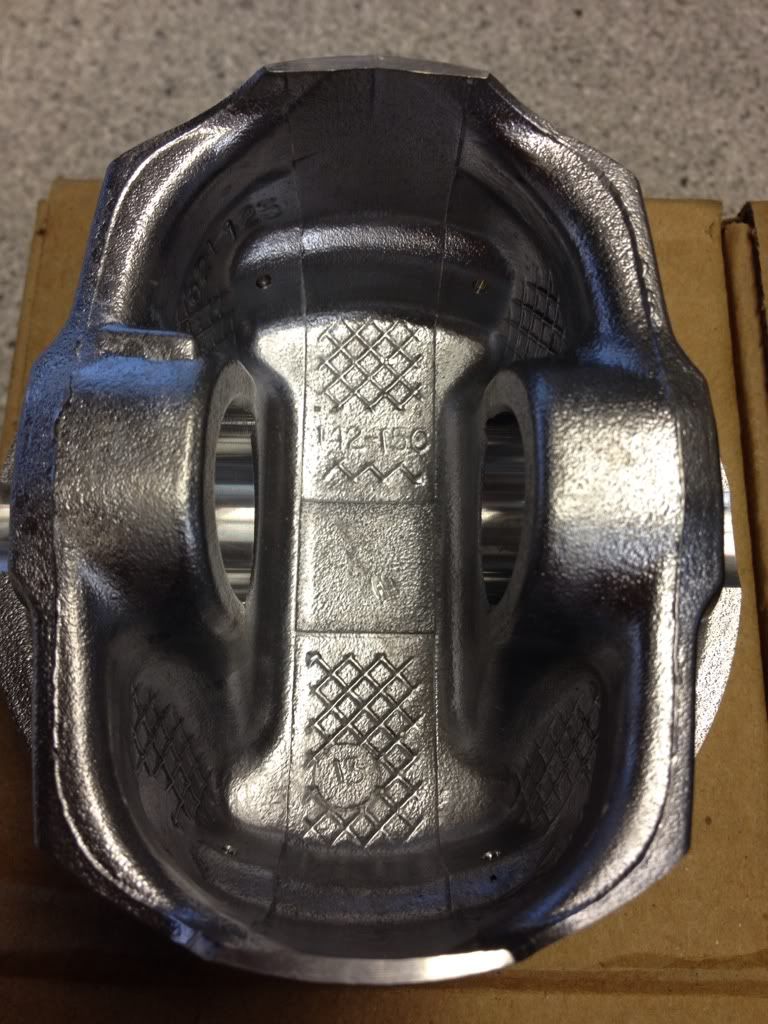
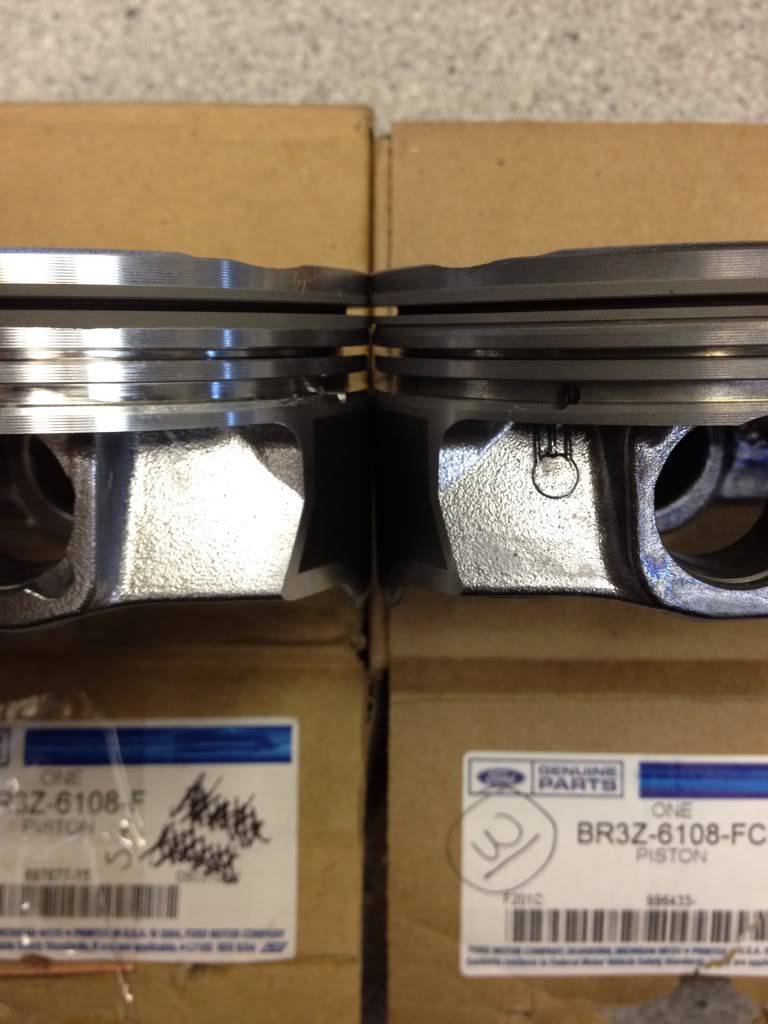
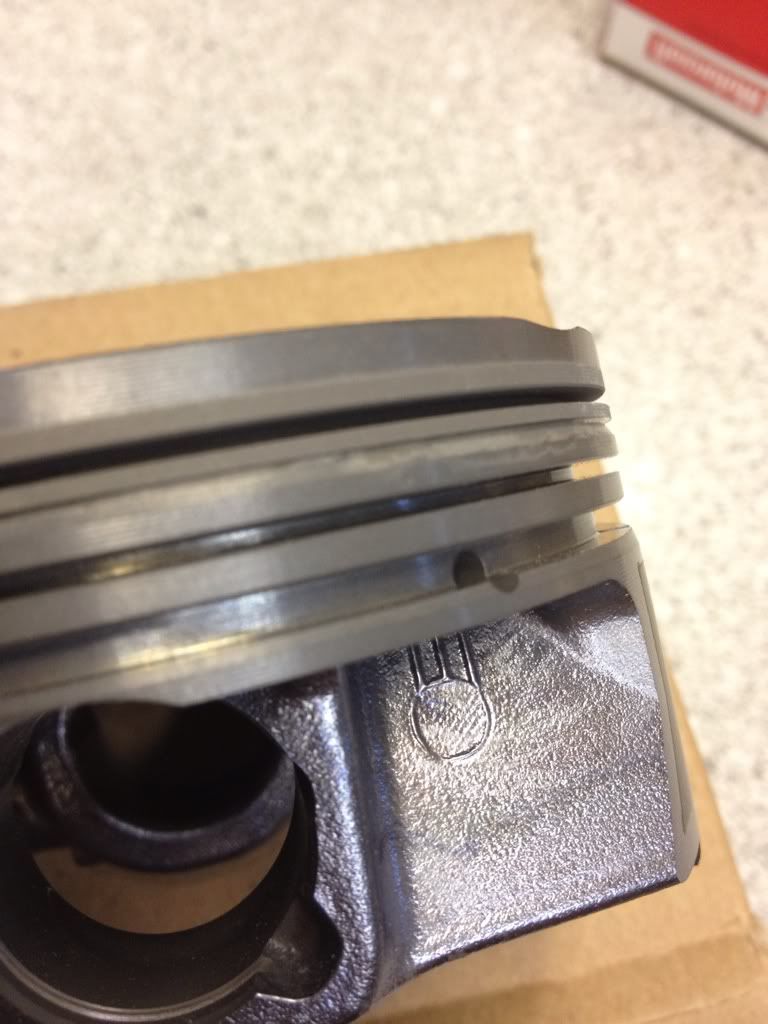
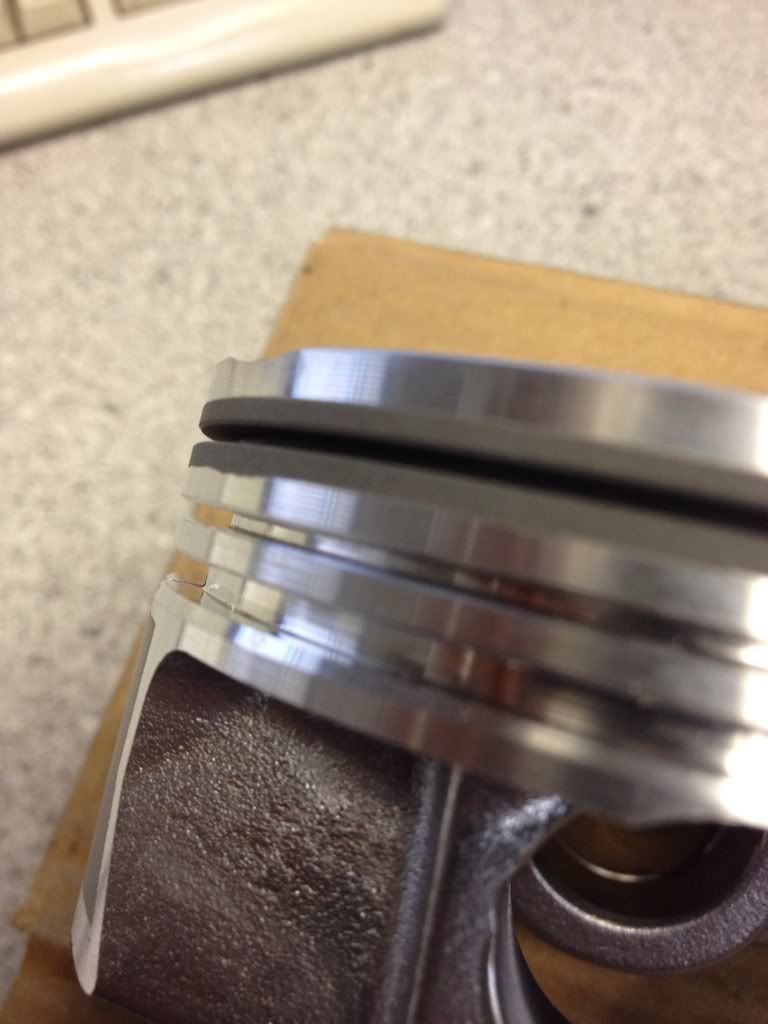
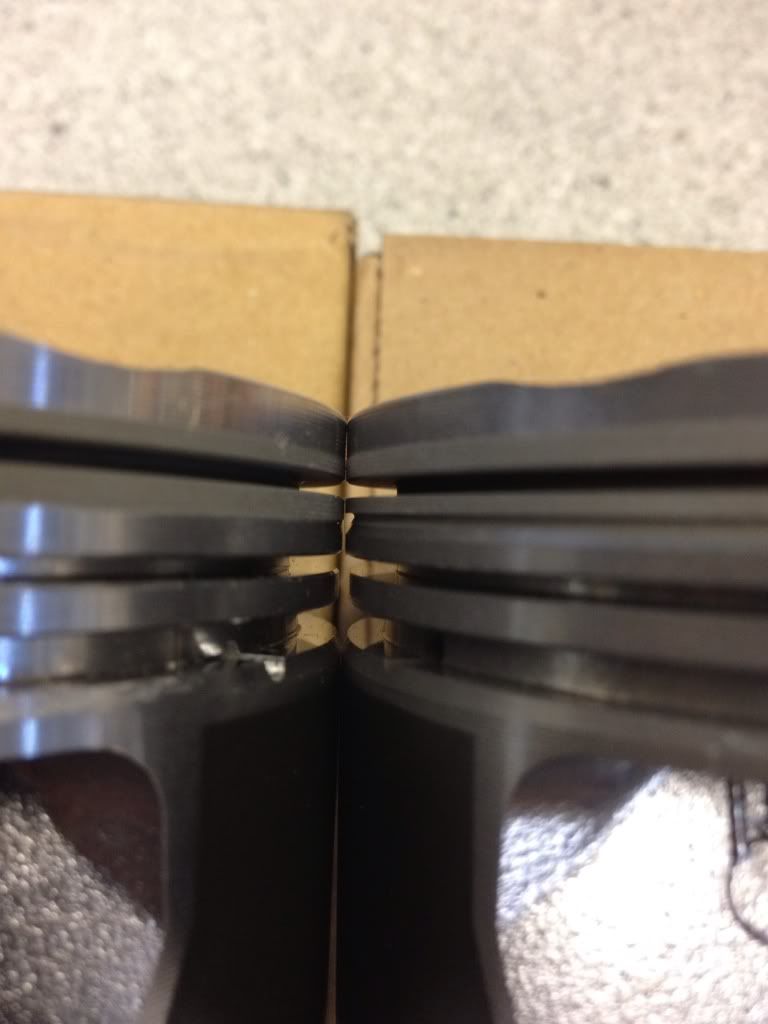
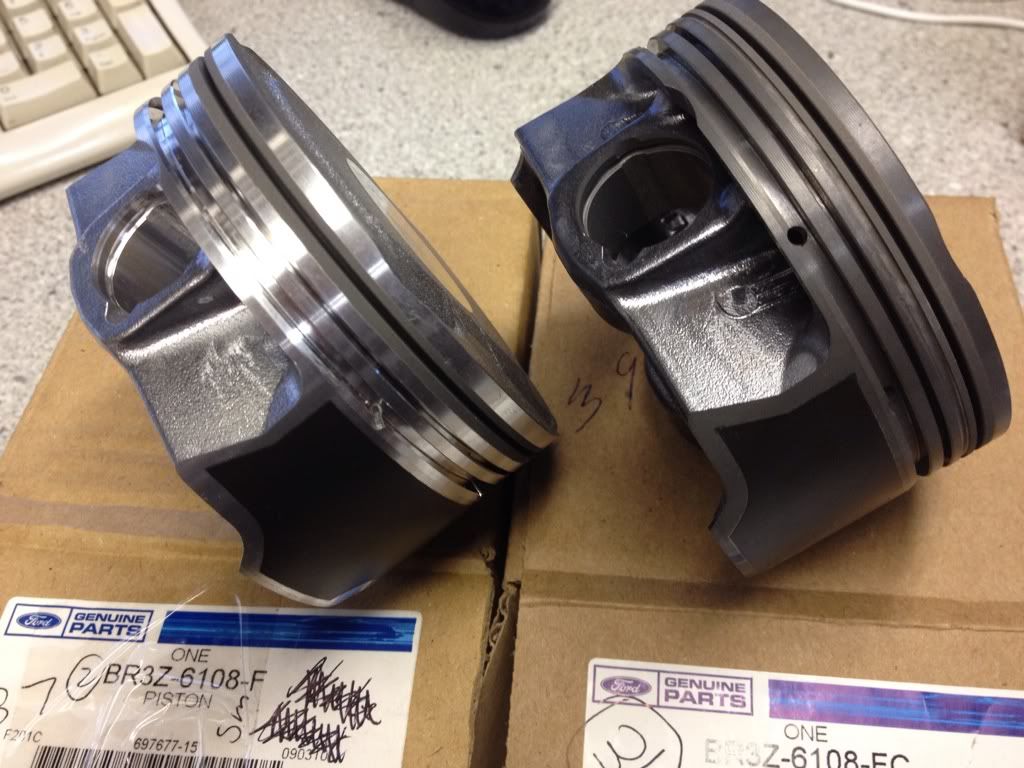
Are the new pistons the same as the Boss pieces? They still look cast to me...but I'm no expert.
Are the new pistons the same as the Boss pieces? They still look cast to me...but I'm no expert.
Last edited by MRGTX; Mar 13, 2012 at 08:57 PM.

Mach 1 Member
Joined: February 22, 2011
Posts: 509
Likes: 0
From: Akron, Ohio
Still cast, same rods, have some type of heat treatment on then and different oil passage ... hence no more squirters.
Block is also different but how its different hasn't been determined yet.
Block is also different but how its different hasn't been determined yet.

Mach 1 Member
Joined: June 17, 2011
Posts: 606
Likes: 0
From: Youngstown, Ohio
http://fordracingparts.com/parts/par...KeyField=22639
(read the tech notes, especially the second to last)
Where's all these guys who were quoting the buyers guide or whatever and know people at ford who confirmed things?
clowns
Next question I have is did the later 2012's get block off plates and the new pistons? Or did this not start until 2013 model year with the new block?
Cobra R Member
Joined: February 9, 2006
Posts: 1,776
Likes: 1
From: NY
Thread Starter
Shelby GT350 Member
Joined: May 18, 2010
Posts: 2,318
Likes: 15
From: CT


V6 Member
Joined: December 29, 2011
Posts: 67
Likes: 0
From: Central Valley, CA
So it looks to me like Ford is solving a couple issues with this new "design". This is pure speculation, but it seems that the extra groove is to help with the oil consumption, along with the added drain holes. They must have also found that coating/treating the pistons is sufficient to deal with heat, and deleting the squirters lessened windage (maybe also helped with oil consumption), and added some h/p.
Mach 1 Member
Joined: February 22, 2011
Posts: 509
Likes: 0
From: Akron, Ohio
Sure it has
http://fordracingparts.com/parts/par...KeyField=22639
(read the tech notes, especially the second to last)
Where's all these guys who were quoting the buyers guide or whatever and know people at ford who confirmed things?
clowns
Next question I have is did the later 2012's get block off plates and the new pistons? Or did this not start until 2013 model year with the new block?
http://fordracingparts.com/parts/par...KeyField=22639
(read the tech notes, especially the second to last)
Where's all these guys who were quoting the buyers guide or whatever and know people at ford who confirmed things?
clowns
Next question I have is did the later 2012's get block off plates and the new pistons? Or did this not start until 2013 model year with the new block?
Piston part numbers didn't change until 2013 production started. Still IMO means nothing until someone opens their late year 2012 motor up to look - who knows what Ford is putting in these things and when they changed. Only confirmed change I know of on later production 2012's was the timing cover.
Mach 1 Member
Joined: February 22, 2011
Posts: 509
Likes: 0
From: Akron, Ohio
So it looks to me like Ford is solving a couple issues with this new "design". This is pure speculation, but it seems that the extra groove is to help with the oil consumption, along with the added drain holes. They must have also found that coating/treating the pistons is sufficient to deal with heat, and deleting the squirters lessened windage (maybe also helped with oil consumption), and added some h/p.

V6 Member
Joined: February 10, 2012
Posts: 56
Likes: 0
I've read multiple articles that state, removal of the oil squirters, coating on the pistons, and ECU recalibration. The last article I read said they found the oil squirters were unnecessary. I don't know anything about mechanical engineering, but I would think if you have less friction, and you remove a part which requires energy, this alone would result in more horsepower. Why in the world should I doubt Ford? Why would they go to the trouble of lying to the public about 8 hp? They made this change for cost savings, not to impress anyone or boost sales.
Cobra Member
Joined: August 27, 2007
Posts: 1,497
Likes: 26
From: Southern Al
So it looks to me like Ford is solving a couple issues with this new "design". This is pure speculation, but it seems that the extra groove is to help with the oil consumption, along with the added drain holes. They must have also found that coating/treating the pistons is sufficient to deal with heat, and deleting the squirters lessened windage (maybe also helped with oil consumption), and added some h/p.
My 2011 uses zero oil and never has so I will call Bull**** on this theory.

GTR Member
Joined: September 28, 2009
Posts: 6,284
Likes: 1
One car is not indicative of the entire gamut of testing that Ford has done with this motor. If they found an issue with oil consumption in numerous cars, they'll look at it and revise as needed. They may have found something that needed attention, but it may not affect all cars. Relax.