


DYNO Day


he does take plastic (credit cards)
for those wanting a tune- plug in your xcal and write down your strategy code then email it to me. osudoc21@yahoo.com
for those wanting a tune- plug in your xcal and write down your strategy code then email it to me. osudoc21@yahoo.com
Featuring Our Mustang Chassis Dyno 1750-SE
- Capable of 1750 Rear Wheel Horsepower
- Up to 220 MPH
- Single Eddy Current Loading Motor
- 1/4 Mile Drag Runs
- Road Simulation
- Digital Wide Band 02 AFR
- Smart Tach Controller
- SAE Correction Weather Station


Mustang dynos tend to spit out much lower RWHP AND TQ numbers due to a load they put on for real world #s.
http://www.modularfords.com/forums/s...t=mustang+dyno
This is what one of the tuning vendors responses was
" have used a variety of dynos, and I'll start out by stating that most of the information in this thread is flat out WRONG.
Mustang Dyno and Dynojet both manufacture inertia only (referred to as non-load type dynos) and loaded style dynos with eddy current brakes. Traditionally Dynojet has been known to manufacture inertia dynos, and MD known to manufacture loaded dynos. Today each manufacturer produces both types of dynos.
Facts:
Mustang Dynos can be tuned, and some tuners spend more time "tuning" the dyno than the car. Dynojets can not be "tuned" to read higher or lower.
Dynojet does not use a correction factor to account for load vs non-loaded pulls. Correction factors are used to account for current atmospheric conditions. For example, have you ever noticed that your car or truck feels slower in the mountains? This is due to lower atmospheric pressure, your car is getting less oxygen (the stuff it burns with fuel to make power). The Society of Automotive Engineers has a formula to account for changes in atmospheric pressure, temperature, and humidity. The Dynojet stack measures all these conditions and then comes up with a correction factor, this feature is standard on all DJs. This feature (you can see how important it is) is an option when you buy a Mustang Dyno. Why do some people think you can "mess with" Dynojet numbers? They may think that because Dynojet software allows you to display the power numbers as uncorrected, SAE corrected, or STD corrected. Depending on the current conditions uncorrected may show higher or lower than SAE. STD will almost always show a few percent higher than both. However, this information is printed on the dynograph, so you always know what is going on. Additionaly, your dynograph should have current atmospheric information printed at the bottom:

I normally go by SAE corrected numbers.
I tuned a 500+ RWHP ported blower 03 Cobra this morning. The A/F was the same during an inertia pull and during a pull with 25% load on the car (run time was almost twice as long). I consistently see this with Ford vehicles.
At PRI 06' we ran a 1000+ RWHP TT Ford GT with and without load. The A/F and boost curve was exactly the same loaded vs non loaded. So much for load being required to properly tune a car. If its good enough for a 1000 RWHP supercar it should be good enough for your Mustang.
To further debunk myths about load vs non load, Mustang Dyno makes inertia dynos, just like Dynojet. If an inertia dyno is so inferior why would they make it?
To further lend credibility to Dynojet...remember the 99 Cobra fiasco? The cars did not make the power that was claimed, they were only putting down 250-260RWHP on Dynojets (the industry standard). The cars were rated at 320 crank HP, with a 15% drivetrain loss they should put down at least 270 HP at the wheels. Attention was brought to the issue, and Ford acknowledged it and fixed it. Do you see people suing Ford because their new Mustang GT only made 220RWHP on a Mustang Dyno? Nope. No one would take them seriously. Ford rates the car at 300 crank HP, and it truly makes that much power or more when ran on a real dyno.
The Dynojet design is dead simple and dead reliable. You accelerate a known mass (the roller) over a given period of time, the faster you accelerate it the more power you make. It's math, it does not lie (unless you think that math stuff does not mean anything). There are no parts to wear out and skew readings, and no sensors to calibrate (when doing inertia pulls). An inertia Dynojet 224x only has two bearings and one moving part (the roller).
Every Dynojet reads within 1% of the next Dynojet. Now if you run a supercharged car heat soaked all to hell on one Dynojet, and then run it on another Dynojet when cold, you will of course get different numbers. This is not the dyno's fault. If you are using the proper equipment to monitor air temp, coolant temp, and timing you can quickly figure out why this disparity happened. I have been using Dynojet's new OBD2-Data Link Module which allows you to plug into the OBD2 port of any 96+ vehicle and gather important information like spark timing, knock retard, air temp, coolant temp, throttle position, etc. The best part is it can be printed right on the dynograph. Now you can make even more accurate comparisons between combinations, and troubleshoot potential problems like over zealous knock sensors and failed intercooler pumps.
I occassionaly travel and use other Dynos besides my own, if I'm working on a car in Canada and have to catch a flight at 6pm I need to know why this car is not making power so I can fix it before I leave. Is the non-name dyno giving me bad readings? Did someone improperly calibrate the Mustang Dyno? (their software is very complicated and anti user friendly). I do not have time for that type of crap, I need to do my job.
It may sound like I am biased towards Dynojet, but when it comes down to tuning I do not screw around. I have over $200,000 invested in my tuning business and I'm not about to use the wrong tools. I need an accurate and repeatable tool, a Dynojet does that for me better than any other Dyno out there. "
"Additionally, everyone talks about track performance being the real measure of success. Guess what, if you did not have a dyno to tune your car on and accurately measure power gains/losses your car would never perform very well at the track. Without the dyno you would be trying different combinations and you would never know if you actually picked up power from a tune change, or just got less wheelspin and shifted faster. You need both the dyno and the track to produce a well performing vehicle. "
JUSTIN @ VMP
This is what one of the tuning vendors responses was
" have used a variety of dynos, and I'll start out by stating that most of the information in this thread is flat out WRONG.
Mustang Dyno and Dynojet both manufacture inertia only (referred to as non-load type dynos) and loaded style dynos with eddy current brakes. Traditionally Dynojet has been known to manufacture inertia dynos, and MD known to manufacture loaded dynos. Today each manufacturer produces both types of dynos.
Facts:
Mustang Dynos can be tuned, and some tuners spend more time "tuning" the dyno than the car. Dynojets can not be "tuned" to read higher or lower.
Dynojet does not use a correction factor to account for load vs non-loaded pulls. Correction factors are used to account for current atmospheric conditions. For example, have you ever noticed that your car or truck feels slower in the mountains? This is due to lower atmospheric pressure, your car is getting less oxygen (the stuff it burns with fuel to make power). The Society of Automotive Engineers has a formula to account for changes in atmospheric pressure, temperature, and humidity. The Dynojet stack measures all these conditions and then comes up with a correction factor, this feature is standard on all DJs. This feature (you can see how important it is) is an option when you buy a Mustang Dyno. Why do some people think you can "mess with" Dynojet numbers? They may think that because Dynojet software allows you to display the power numbers as uncorrected, SAE corrected, or STD corrected. Depending on the current conditions uncorrected may show higher or lower than SAE. STD will almost always show a few percent higher than both. However, this information is printed on the dynograph, so you always know what is going on. Additionaly, your dynograph should have current atmospheric information printed at the bottom:
I normally go by SAE corrected numbers.
I tuned a 500+ RWHP ported blower 03 Cobra this morning. The A/F was the same during an inertia pull and during a pull with 25% load on the car (run time was almost twice as long). I consistently see this with Ford vehicles.
At PRI 06' we ran a 1000+ RWHP TT Ford GT with and without load. The A/F and boost curve was exactly the same loaded vs non loaded. So much for load being required to properly tune a car. If its good enough for a 1000 RWHP supercar it should be good enough for your Mustang.
To further debunk myths about load vs non load, Mustang Dyno makes inertia dynos, just like Dynojet. If an inertia dyno is so inferior why would they make it?
To further lend credibility to Dynojet...remember the 99 Cobra fiasco? The cars did not make the power that was claimed, they were only putting down 250-260RWHP on Dynojets (the industry standard). The cars were rated at 320 crank HP, with a 15% drivetrain loss they should put down at least 270 HP at the wheels. Attention was brought to the issue, and Ford acknowledged it and fixed it. Do you see people suing Ford because their new Mustang GT only made 220RWHP on a Mustang Dyno? Nope. No one would take them seriously. Ford rates the car at 300 crank HP, and it truly makes that much power or more when ran on a real dyno.
The Dynojet design is dead simple and dead reliable. You accelerate a known mass (the roller) over a given period of time, the faster you accelerate it the more power you make. It's math, it does not lie (unless you think that math stuff does not mean anything). There are no parts to wear out and skew readings, and no sensors to calibrate (when doing inertia pulls). An inertia Dynojet 224x only has two bearings and one moving part (the roller).
Every Dynojet reads within 1% of the next Dynojet. Now if you run a supercharged car heat soaked all to hell on one Dynojet, and then run it on another Dynojet when cold, you will of course get different numbers. This is not the dyno's fault. If you are using the proper equipment to monitor air temp, coolant temp, and timing you can quickly figure out why this disparity happened. I have been using Dynojet's new OBD2-Data Link Module which allows you to plug into the OBD2 port of any 96+ vehicle and gather important information like spark timing, knock retard, air temp, coolant temp, throttle position, etc. The best part is it can be printed right on the dynograph. Now you can make even more accurate comparisons between combinations, and troubleshoot potential problems like over zealous knock sensors and failed intercooler pumps.
I occassionaly travel and use other Dynos besides my own, if I'm working on a car in Canada and have to catch a flight at 6pm I need to know why this car is not making power so I can fix it before I leave. Is the non-name dyno giving me bad readings? Did someone improperly calibrate the Mustang Dyno? (their software is very complicated and anti user friendly). I do not have time for that type of crap, I need to do my job.
It may sound like I am biased towards Dynojet, but when it comes down to tuning I do not screw around. I have over $200,000 invested in my tuning business and I'm not about to use the wrong tools. I need an accurate and repeatable tool, a Dynojet does that for me better than any other Dyno out there. "
"Additionally, everyone talks about track performance being the real measure of success. Guess what, if you did not have a dyno to tune your car on and accurately measure power gains/losses your car would never perform very well at the track. Without the dyno you would be trying different combinations and you would never know if you actually picked up power from a tune change, or just got less wheelspin and shifted faster. You need both the dyno and the track to produce a well performing vehicle. "
JUSTIN @ VMP

interesting this is. (yoda voice)
Here is a responce in favor of the mustang dyno
My 2 Cents , If you want to talk about dynos, Mustangs calibrations and difference between dynojet and mustang the most important part of this thread has been left out! the actual tuner, if you want a good safe tune go to the best tuner in your area reguardless if you are a mustang dyno owner and know your stuff does that make you less of a tuner NO if you are a good tuner that likes dynojet same rule applies.
Consistant numbers across these boards is the only reason dynojet numbers are popular not because you are getting a true reading in refrence to Chevy Hp 2003 dynotuning article the differences of a properly setup mustang are real I will send a copy to anyone interested in reading it it is PDF format.
Yes the software is more difficult to master but there are almost unlimited tuning tools in the software that are good for more than just HP tuning. Reports from properly setup mustang dyno shops have reported consistant 1/4 mile time within a tenth I have not tested that yet on my MD 1750se But will report when I do.
as for sounding bias you are you own a dynojet I own a mustang I also know a mustang shop locally that skews there numbers but I do not and will not if a customer wants dynojet numbers go pay 45 dollars and get numbers that is not what I do.
To answer your question why would mustang make a enertia dyno if they were inferior answer industry pressure they are entry level with load cell option avaliable seperatly to grow with the tuner and compete with lower priced dynos. Also if load was not important why is dynojet making a big push with there LC dynos? Dobeck admitted he scewed the numbers in the math of the dynonjet FIXED MATH calculations (Dynojets Founder) and the article In Chev HP provided insite into that.You claim mustand dyno numbers have no credibility it does with a good tuner and someone that is not blineded with insignifigant numbers. Bottom line is it does not matter the tuner matters both are quality dynos, I am also enjoying the OBD2 interface with my mustang dyno. Have you ever tried to diagnose a drivability issue,trans schedualing,ETC with an inertia only dyno?
My point is not to flame but add balance to this thread the bottom line is if you want a good tune go to the best tuner in your area not the Forums favorite dyno. If I purchased the 224lc I would be happy just like I am with the Md 1750 SE and my customer are getting the same quality tune and come to me because of that not because i own a mustang or a dynojet dyno
For track numbers I agree with 1/4 mile fans I fine tune cars on the track and prefer real world performace when comparing numbers not dyno numbers even with driver skill that is part of the challenge right.
Keep in mind I am not trying to flame or say dynojet is a bad dyno just saying the tuner is the KEY forget the dyno.
If anything I have said is incorrect Sorry . Dynojet Industry standard, mabie better more accurate dyno No.
My 2 Cents , If you want to talk about dynos, Mustangs calibrations and difference between dynojet and mustang the most important part of this thread has been left out! the actual tuner, if you want a good safe tune go to the best tuner in your area reguardless if you are a mustang dyno owner and know your stuff does that make you less of a tuner NO if you are a good tuner that likes dynojet same rule applies.
Consistant numbers across these boards is the only reason dynojet numbers are popular not because you are getting a true reading in refrence to Chevy Hp 2003 dynotuning article the differences of a properly setup mustang are real I will send a copy to anyone interested in reading it it is PDF format.
Yes the software is more difficult to master but there are almost unlimited tuning tools in the software that are good for more than just HP tuning. Reports from properly setup mustang dyno shops have reported consistant 1/4 mile time within a tenth I have not tested that yet on my MD 1750se But will report when I do.
as for sounding bias you are you own a dynojet I own a mustang I also know a mustang shop locally that skews there numbers but I do not and will not if a customer wants dynojet numbers go pay 45 dollars and get numbers that is not what I do.
To answer your question why would mustang make a enertia dyno if they were inferior answer industry pressure they are entry level with load cell option avaliable seperatly to grow with the tuner and compete with lower priced dynos. Also if load was not important why is dynojet making a big push with there LC dynos? Dobeck admitted he scewed the numbers in the math of the dynonjet FIXED MATH calculations (Dynojets Founder) and the article In Chev HP provided insite into that.You claim mustand dyno numbers have no credibility it does with a good tuner and someone that is not blineded with insignifigant numbers. Bottom line is it does not matter the tuner matters both are quality dynos, I am also enjoying the OBD2 interface with my mustang dyno. Have you ever tried to diagnose a drivability issue,trans schedualing,ETC with an inertia only dyno?
My point is not to flame but add balance to this thread the bottom line is if you want a good tune go to the best tuner in your area not the Forums favorite dyno. If I purchased the 224lc I would be happy just like I am with the Md 1750 SE and my customer are getting the same quality tune and come to me because of that not because i own a mustang or a dynojet dyno
For track numbers I agree with 1/4 mile fans I fine tune cars on the track and prefer real world performace when comparing numbers not dyno numbers even with driver skill that is part of the challenge right.
Keep in mind I am not trying to flame or say dynojet is a bad dyno just saying the tuner is the KEY forget the dyno.
If anything I have said is incorrect Sorry
. Dynojet Industry standard, mabie better more accurate dyno No.
So in summary... take our Dyno #s we get on the mustang dyno and add 10% and that is what a dynojet would have shown you.  I hope this guy is a good tuner
Hey what if I decide to get longtube headers or another mod?? will I have to go and dynotune all over again? Or could he email me an updated tune?
I hope this guy is a good tuner Hey what if I decide to get longtube headers or another mod?? will I have to go and dynotune all over again? Or could he email me an updated tune?

Ok I'm show I'm running 785hp. Never been good at math though.
I'm showing 3 ft lbs... once again . I think my math is off.
hmm.. sooo 785HP and 3FTlbsTQ? nice
So in summary... take our Dyno #s we get on the mustang dyno and add 10% and that is what a dynojet would have shown you. I hope this guy is a good tuner
Hey what if I decide to get longtube headers or another mod?? will I have to go and dynotune all over again? Or could he email me an updated tune?
I hope this guy is a good tuner Hey what if I decide to get longtube headers or another mod?? will I have to go and dynotune all over again? Or could he email me an updated tune?
i am going to do a tune and see how it runs, if it is better than the one i have then i will use it, if not i will reload my brenspeed tune.
he has a lot of experience tuning. he also does a lot of mustang's around that area.
Longtubes do require some adjustments be made to keep the AF in check. Im sure he can make some adjustments.
mmmm dynotune is like 
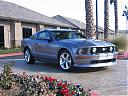
Ok guys, it's not that I haven't wanted to say, we've been fine tuning what is going to go into the engine. Here is what I know for sure as of tonight:
Cobra crank
Diamond 19cc pistons
Block honed and bored .020 over
ARH Longtube headers with hi-flo catted x-pipe
Ported and polished heads
Manley H-beam rods
14 pound pulley
Meizer water pump
ARP 2000 studs
GT500 dual fuel pumps
60 pound injectors
modified fuel rails for the new fuel system
Line lock for front brakes
Centerforce DFX clutch
We are still kicking around the idea of cams but am waiting to see on the cost. There is other stuff but I don't have the parts list in front of me. The goal when it is all done is 14 pounds of boost on pump gas that will give me between 550 and 575 at the rear wheels and still be streetable for a daily driver. I will have to use something like Torco to raise the octane level to 93. Mid to low 11's is the goal. I'm still deciding if I want to go with a short throw shifter or keep the stock unit for now. Anyone want to buy my Pypes off road h-pipe? As I know more specifics I'll let everyone know. In the end the engine should be good to about 800 horses if I ever decide to take it up that high. The car will make its debut with stripes, new wheels, and new engine hopefully by the end of the month in time for th cruise and some racing before they close the track for winter...
BTW, Kurtis justed signed yesterday for his new shop. 6000 square feet and a brand new dyno. He moves in in 2 weeks. He takes possession November 1. The new shop is off Pine and highway 169. Perfect for me bc it is on the way to work and school.:-)
Cobra crank
Diamond 19cc pistons
Block honed and bored .020 over
ARH Longtube headers with hi-flo catted x-pipe
Ported and polished heads
Manley H-beam rods
14 pound pulley
Meizer water pump
ARP 2000 studs
GT500 dual fuel pumps
60 pound injectors
modified fuel rails for the new fuel system
Line lock for front brakes
Centerforce DFX clutch
We are still kicking around the idea of cams but am waiting to see on the cost. There is other stuff but I don't have the parts list in front of me. The goal when it is all done is 14 pounds of boost on pump gas that will give me between 550 and 575 at the rear wheels and still be streetable for a daily driver. I will have to use something like Torco to raise the octane level to 93. Mid to low 11's is the goal. I'm still deciding if I want to go with a short throw shifter or keep the stock unit for now. Anyone want to buy my Pypes off road h-pipe? As I know more specifics I'll let everyone know. In the end the engine should be good to about 800 horses if I ever decide to take it up that high. The car will make its debut with stripes, new wheels, and new engine hopefully by the end of the month in time for th cruise and some racing before they close the track for winter...
BTW, Kurtis justed signed yesterday for his new shop. 6000 square feet and a brand new dyno. He moves in in 2 weeks. He takes possession November 1. The new shop is off Pine and highway 169. Perfect for me bc it is on the way to work and school.:-)
Very nice Jeff. Good choices! But your MPG will be suck!
I'm hoping the MPG won't be too bad...we'll see. I'll be able to kick some Z06 butt though so it will be worth it...:-)
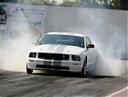
Sounds like a good plan. Any changes to the rear end? Blow proof bellhousing? Full slicks? Just food for thought. Should be quite stout.
No changes to the rearend yet. Down the road will have to be a currie 9 inch rearend but we're going to leave it for now. CHeater slicks are next for sure. The DRs won't be able to be much help. Which means I'll be selling my DRs...any takers? You can't havethe rims, I need those for the cheater slicks. If those don't work then full slicks it will be...
I know a Jerbear that needs some DR's

