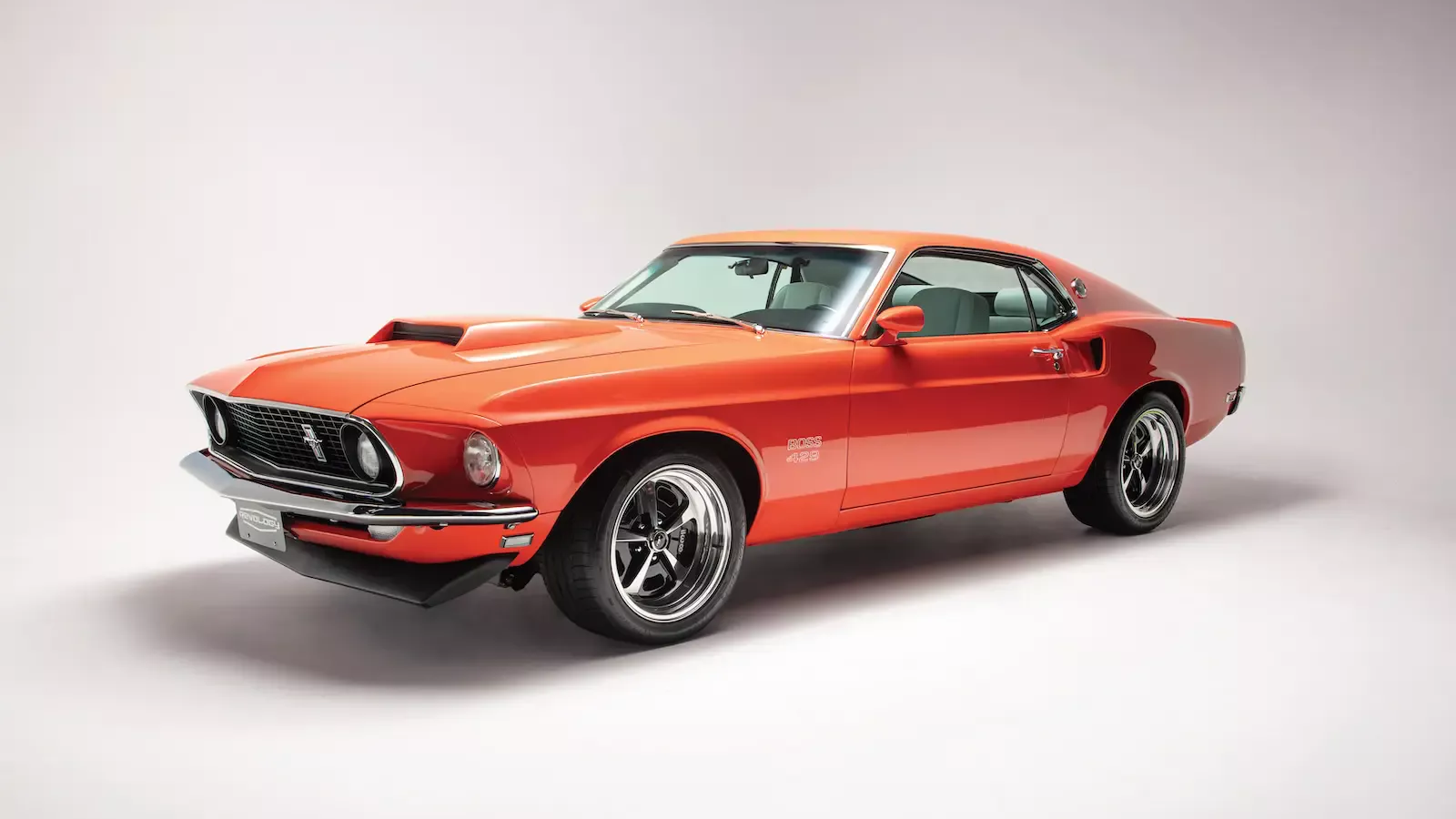
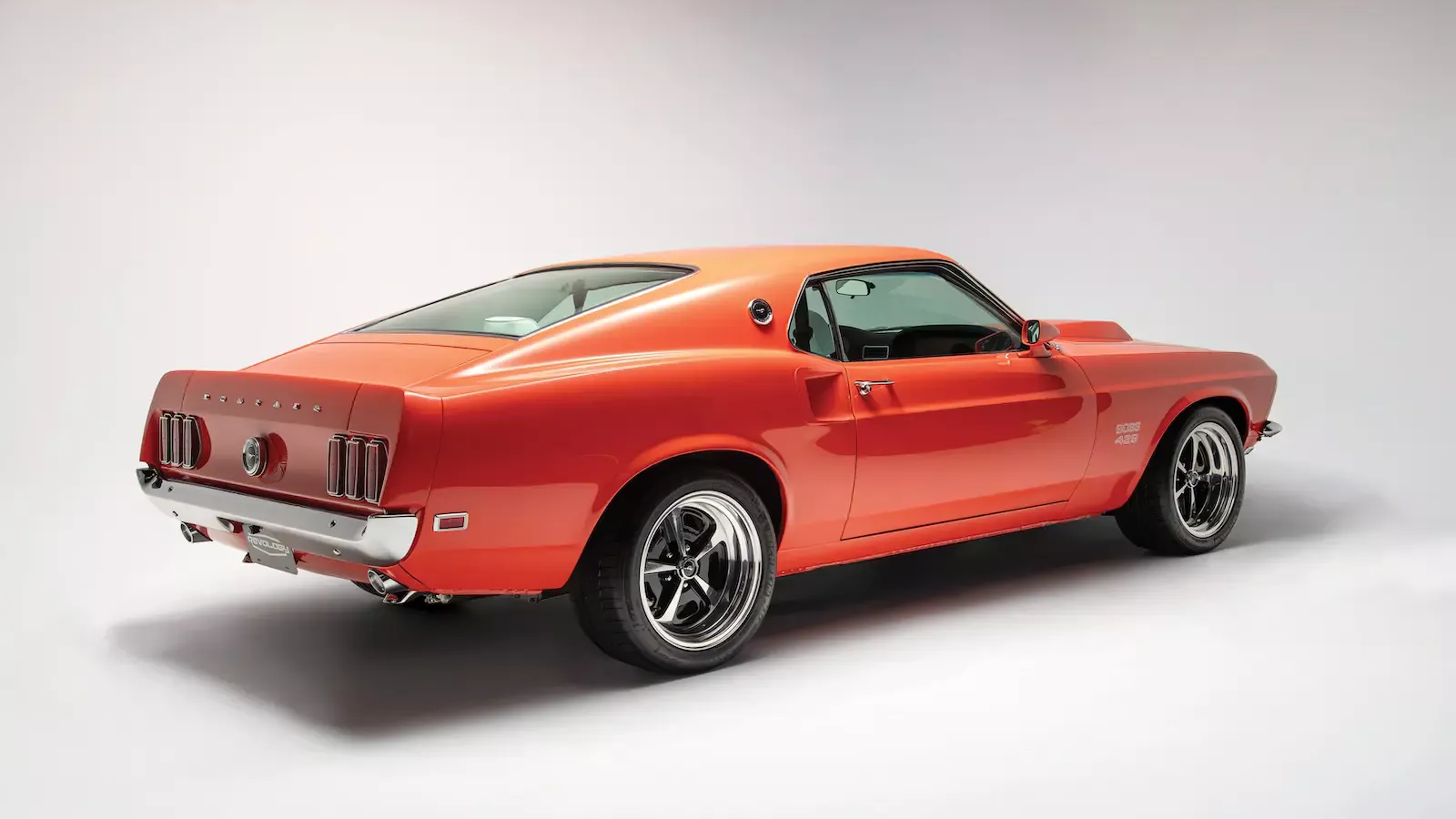
Revology’s new take on the Boss 429 rebuilds the legend from scratch, preserving the look while overhauling nearly every mechanical and structural component.
A Familiar Shape, Completely Rebuilt
Revology has introduced a modern reinterpretation of the 1969 Ford Mustang Boss 429, creating a car that retains the silhouette of the original but is, in reality, an all-new machine underneath. Rather than restoring an existing chassis, the company engineered a ground-up structure that mimics the classic form while employing contemporary materials, tighter tolerances, and updated manufacturing techniques.
A New Structure Hidden in Old Sheetmetal
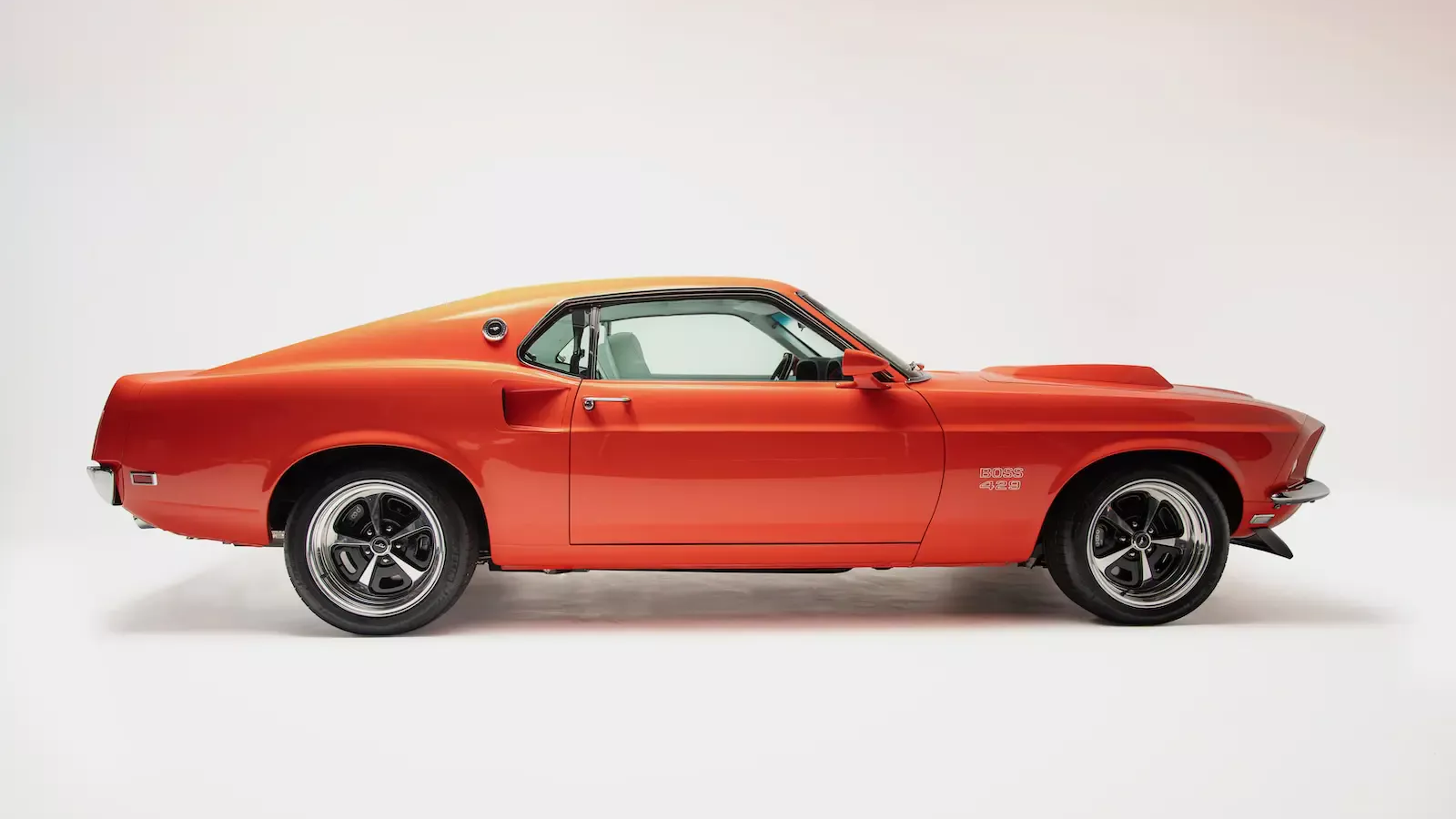
Although the exterior appears nearly indistinguishable from its late-’60s inspiration, every body panel is newly manufactured steel assembled with automated spot welding, seam-welded joints, and heat-cured structural adhesives, processes typical of modern OEM production. The result is a far more rigid shell than the original could have offered. The first completed car wears a Porsche-sourced color called Lava Orange and rides on 17-inch Magnum 500–style wheels designed to replicate the period look.
Modern Underpinnings Built for Contemporary Performance
Supporting the new body is a purpose-built chassis using aluminum subframes and a full modern suspension layout. The front end adopts a double-wishbone configuration, while the rear employs a three-link system with a torque arm and Panhard rod. Hydraulic rack-and-pinion steering, four-wheel disc brakes, and tuned springs and dampers push the driving experience firmly into modern territory rather than classic-car nostalgia.
Powertrain: Classic Name, Contemporary Muscle
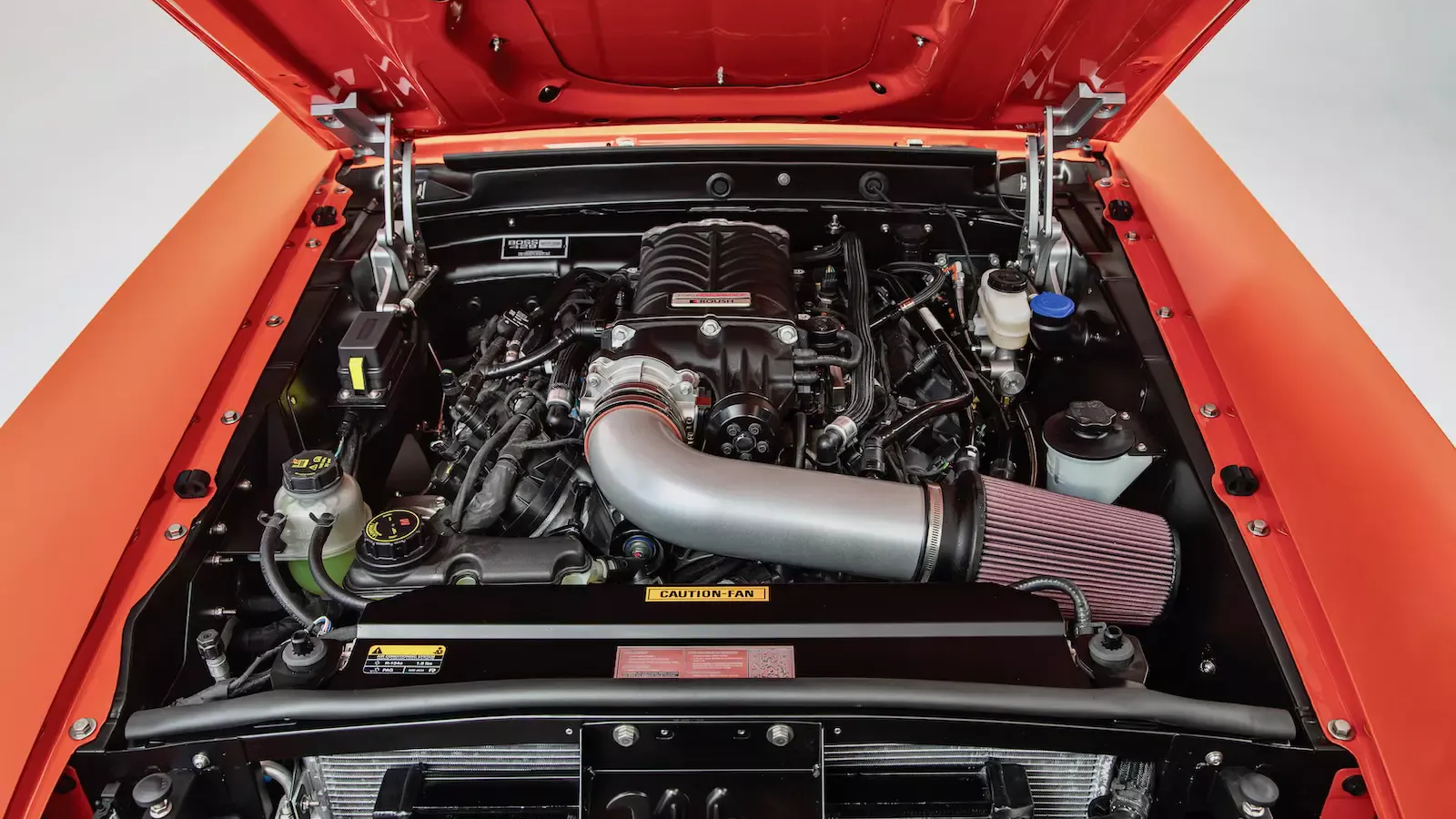
Revology elected not to adapt the original 429-cubic-inch big-block associated with the historic Boss 429. Instead, power comes from a supercharged 5.0-liter Coyote V8, the same architecture used in modern Ford performance cars, rated at 710 horsepower. The engine pairs with either a six-speed manual or a 10-speed automatic transmission, both sending power to the rear wheels. The output more than doubles the 375-horsepower rating of the factory 1969 model.
A Cabin That Looks Vintage but Feels Current
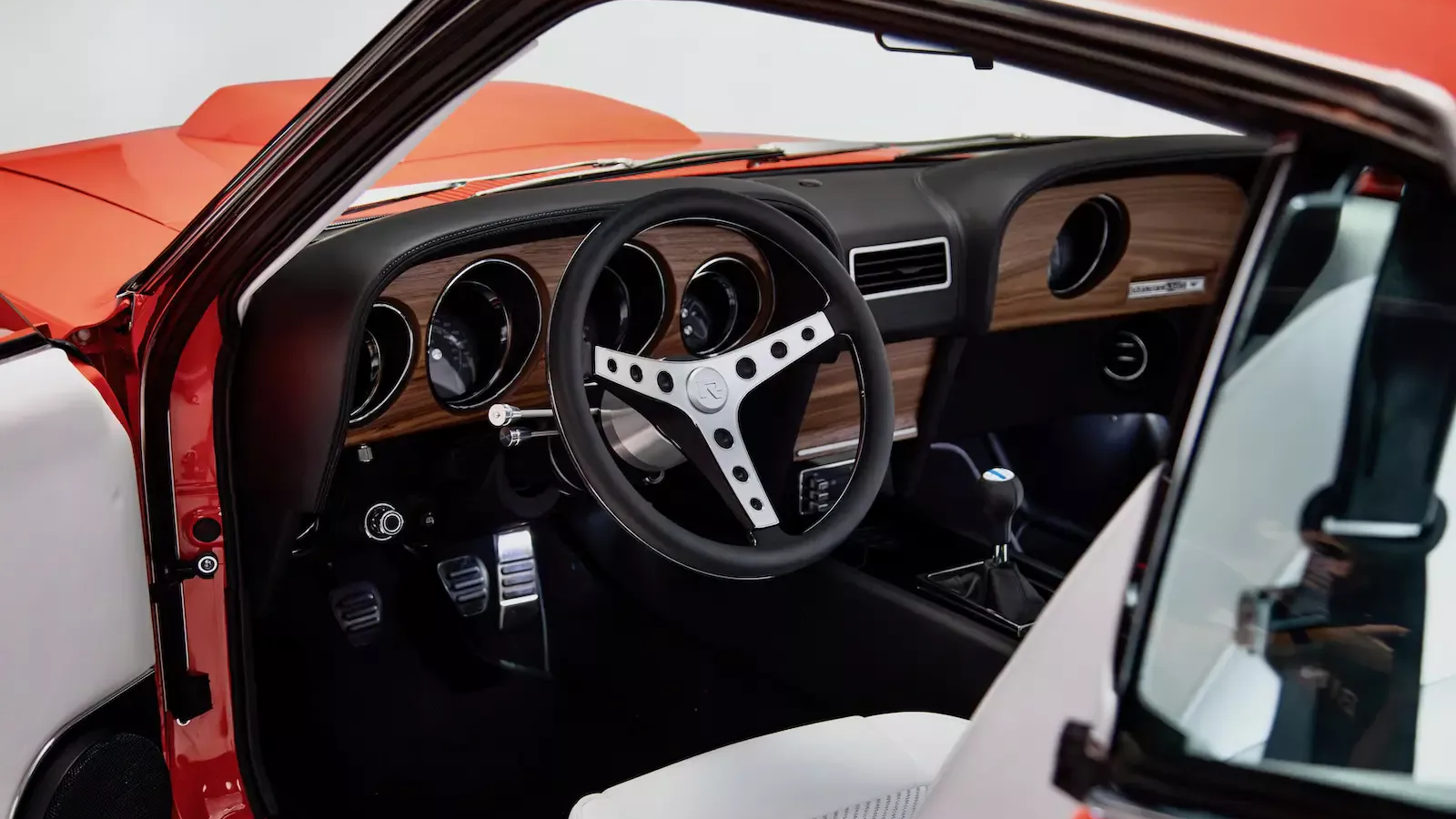
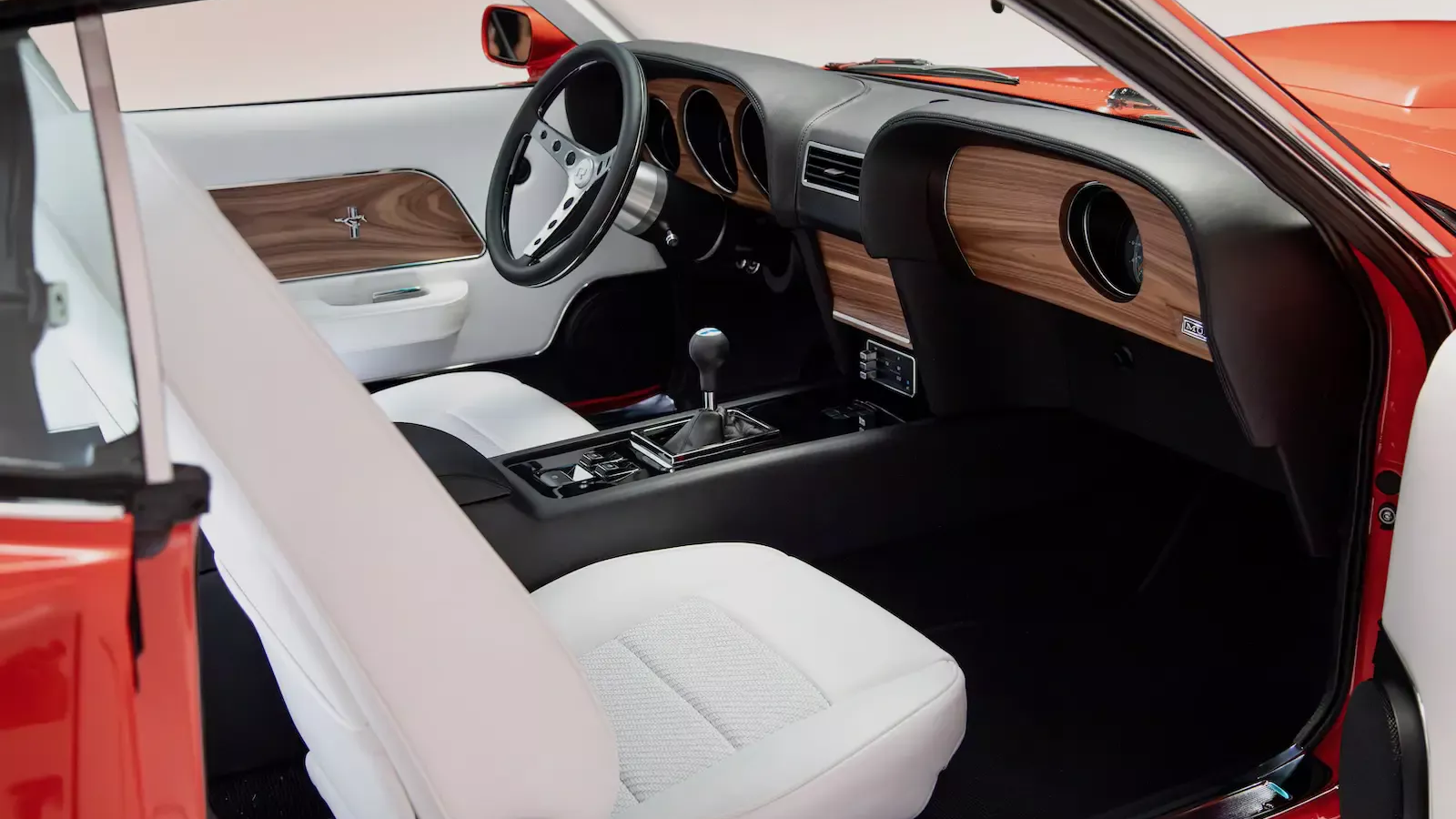
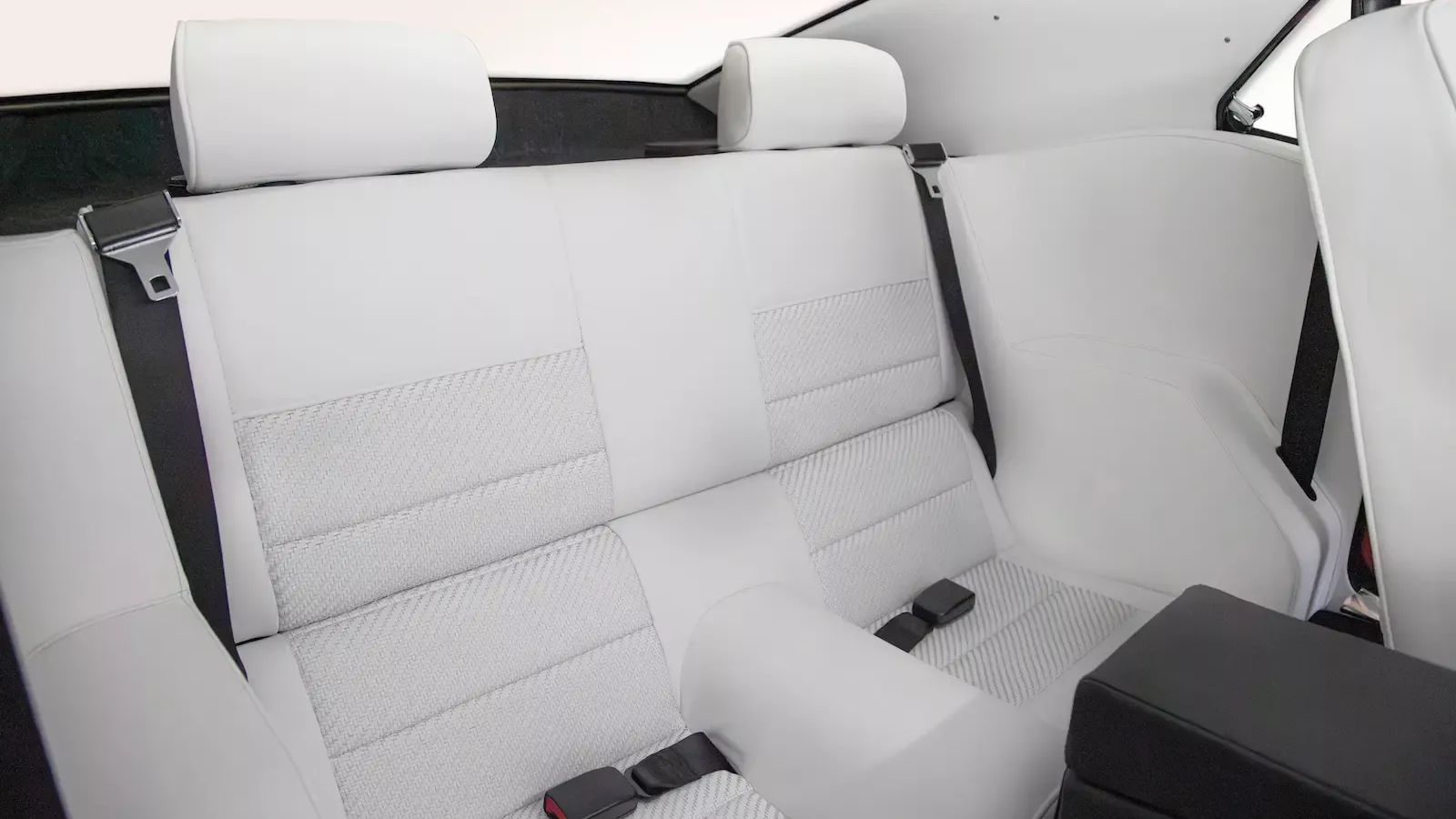
Inside, the reimagined Boss 429 keeps the general visual theme of a late-’60s Mustang but rebuilds it with premium materials and subtle technology. White leather covers the seats and door panels, contrasted with black leather across the dashboard and center tunnel. Wood trim echoes period woodgrain designs, and a custom gauge cluster conceals a seven-inch digital screen. Features like a leather-wrapped steering wheel, reworked ergonomics, and a Harman-Kardon audio system give the interior the atmosphere of a classic cabin without its discomforts.
Revology’s Intent and Philosophy
Company founder Tom Scarpello summarized the project’s mission clearly: “The Boss 429 is one of the rarest and most desirable muscle cars ever built,” he said. “The Revology Boss 429 is not a copy of that iconic model, but a redefinition of it, leveraging modern technology, engineering, and manufacturing processes to make it as reliable and fun to drive as it is to look at.” The approach places authenticity of experience over historical exactness, resulting in a car that aims to feel familiar yet fundamentally improved.
Production Plans and the Reality of Cost
Revology expects to produce 50 units next year, and more than half have already been reserved, mostly by returning customers. Official pricing starts at $395,000, placing it well above the cost of many modern supercars but reflecting the extensive engineering, custom manufacturing, and low-volume production behind the build.