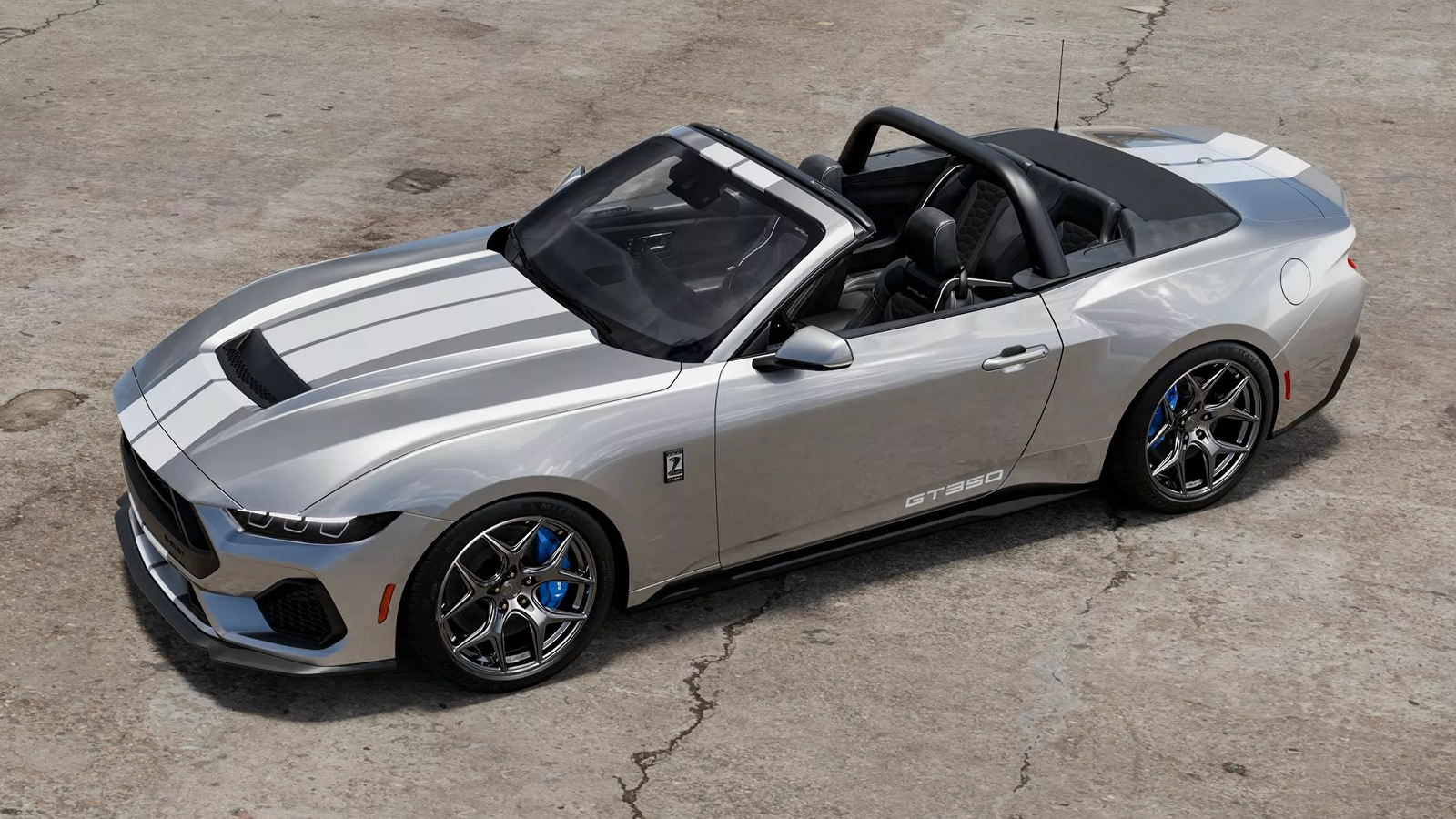
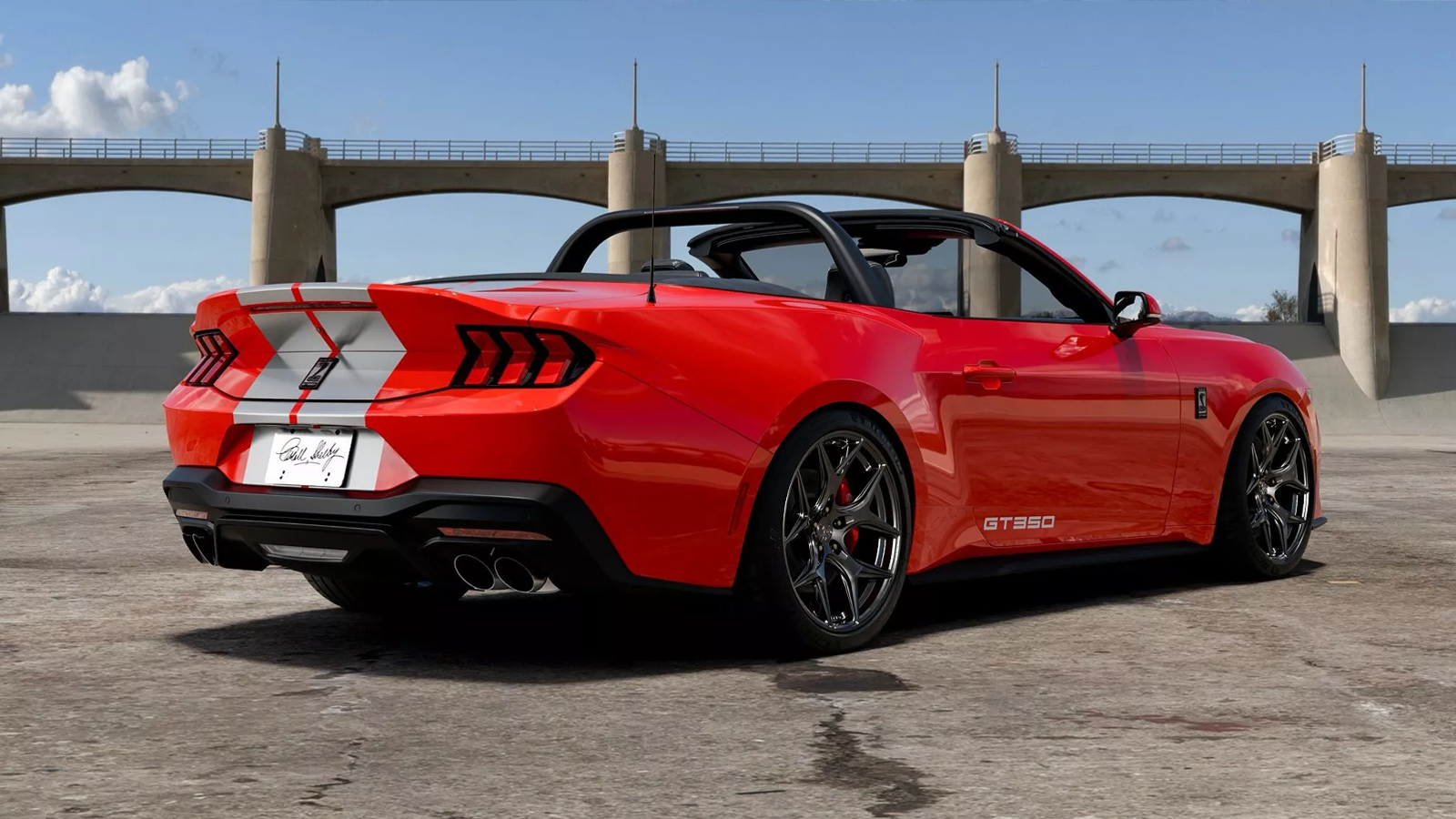
Shelby American’s 2026 GT350 Convertible delivers open-top muscle with up to 810 horsepower and a manual gearbox, features Ford’s own halo Mustangs don’t offer.
Shelby’s Answer to Ford’s Blind Spot
While Ford has been busy rolling out high-profile Mustangs like the Dark Horse SC and the ultra-exclusive GTD, Shelby American has gone in a different direction for 2026. The company has unveiled the Shelby GT350 Convertible, a car that blends serious power with something Ford’s newest performance Mustangs lack entirely: an open roof and, crucially, the option of a manual transmission. It’s a reminder that Shelby’s approach often prioritizes driver choice over outright lap-time supremacy.
From Mustang GT to Shelby GT350
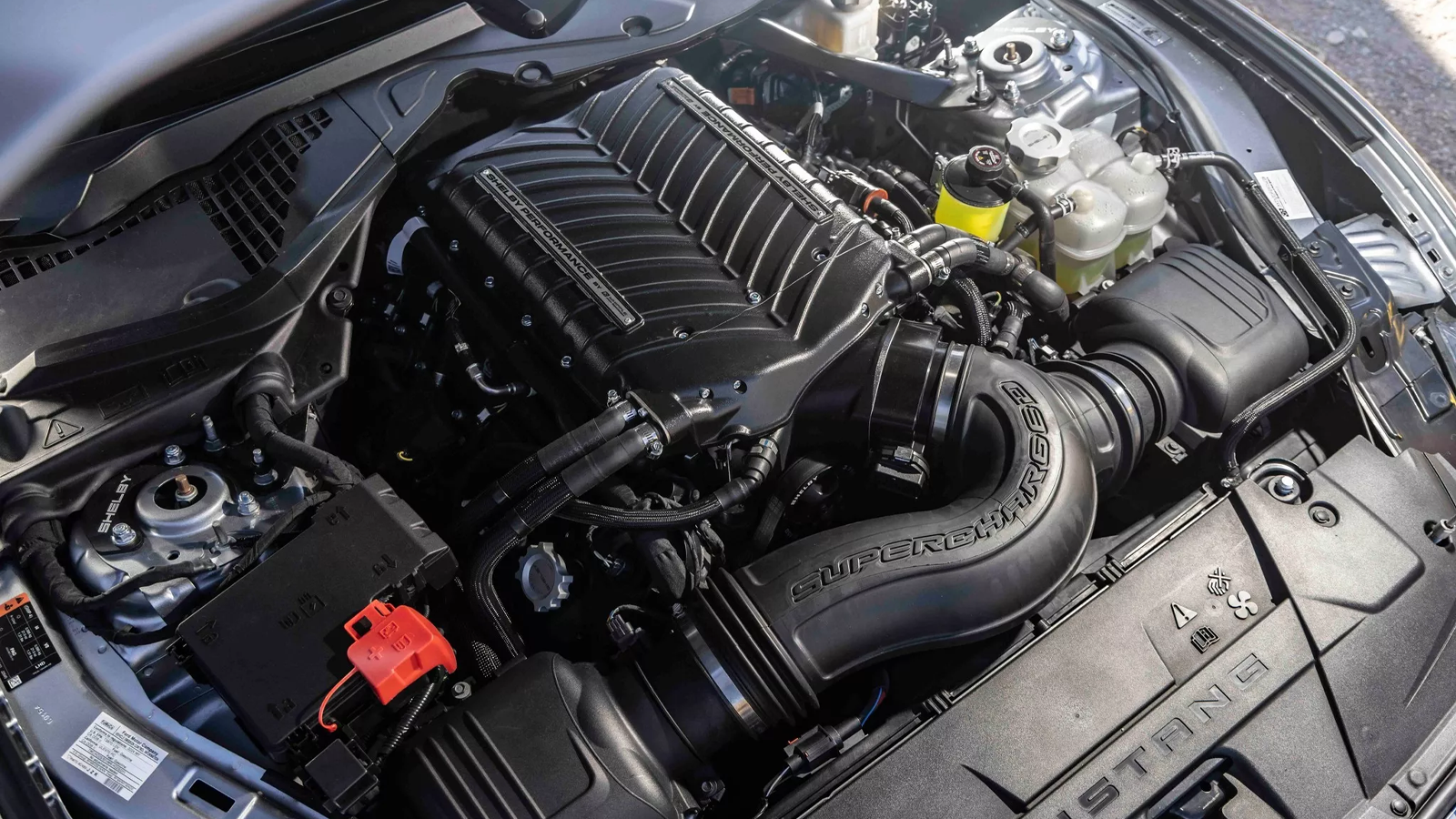
The GT350 Convertible starts life as a standard Mustang GT before Shelby American reworks the car’s aero, suspension, and drivetrain. Buyers who prefer a more traditional setup can opt for the naturally aspirated 5.0-liter Coyote V8, which produces 480 horsepower. For those chasing maximum output, Shelby offers a 3.0-liter Whipple supercharger that boosts power to 810 horsepower—just 15 shy of the Mustang GTD’s quoted figure, but in a far more accessible package.
Power, Choice, and Three Pedals
Unlike Ford’s most extreme Mustangs, the GT350 Convertible emphasizes flexibility. Both engine configurations can be paired with either a six-speed manual or Ford’s 10-speed automatic transmission. Manual-equipped cars also receive a short-throw shifter as part of the package, reinforcing Shelby’s appeal to enthusiasts who still value engagement over outright speed.
Chassis and Hardware Upgrades
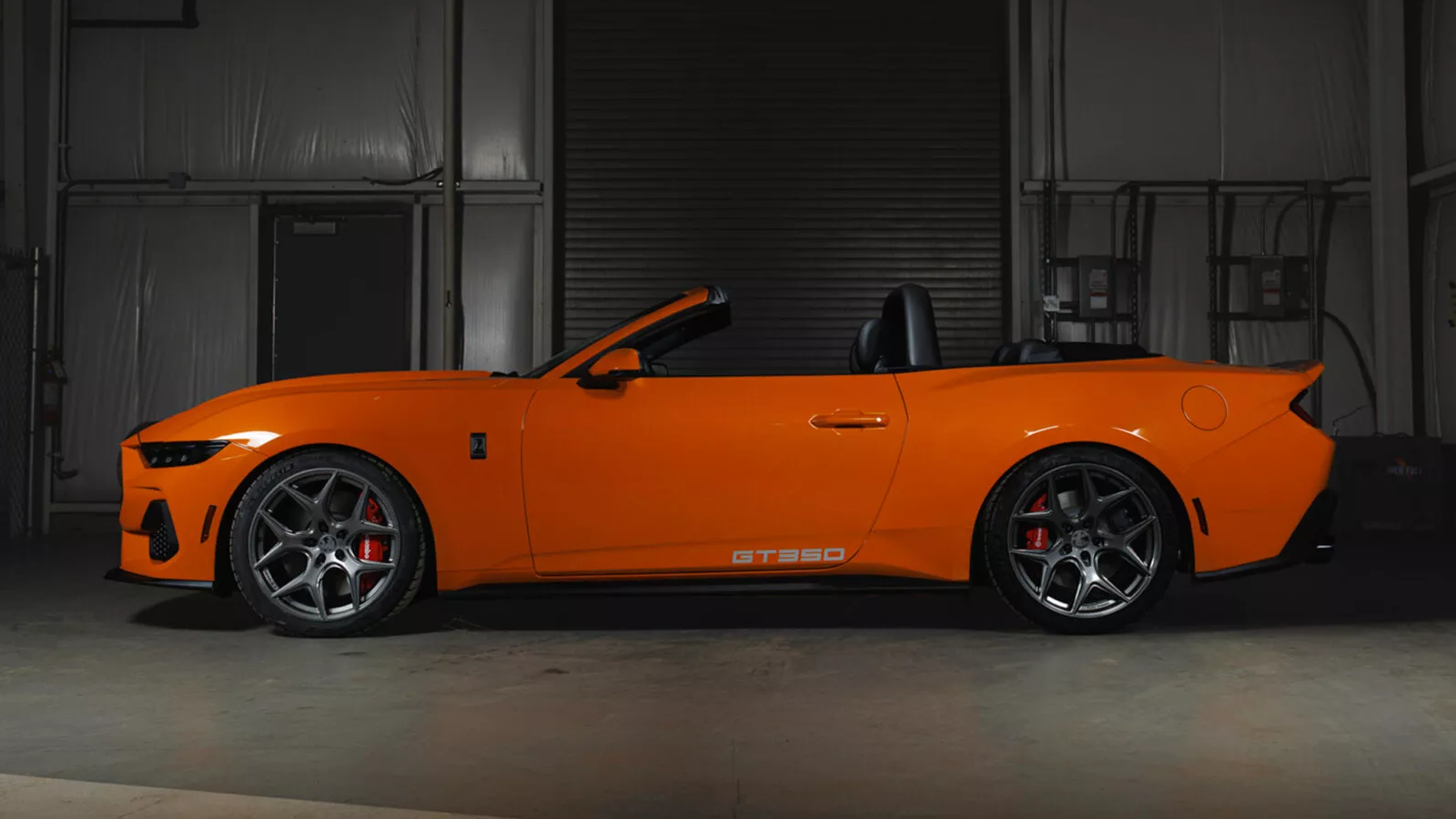
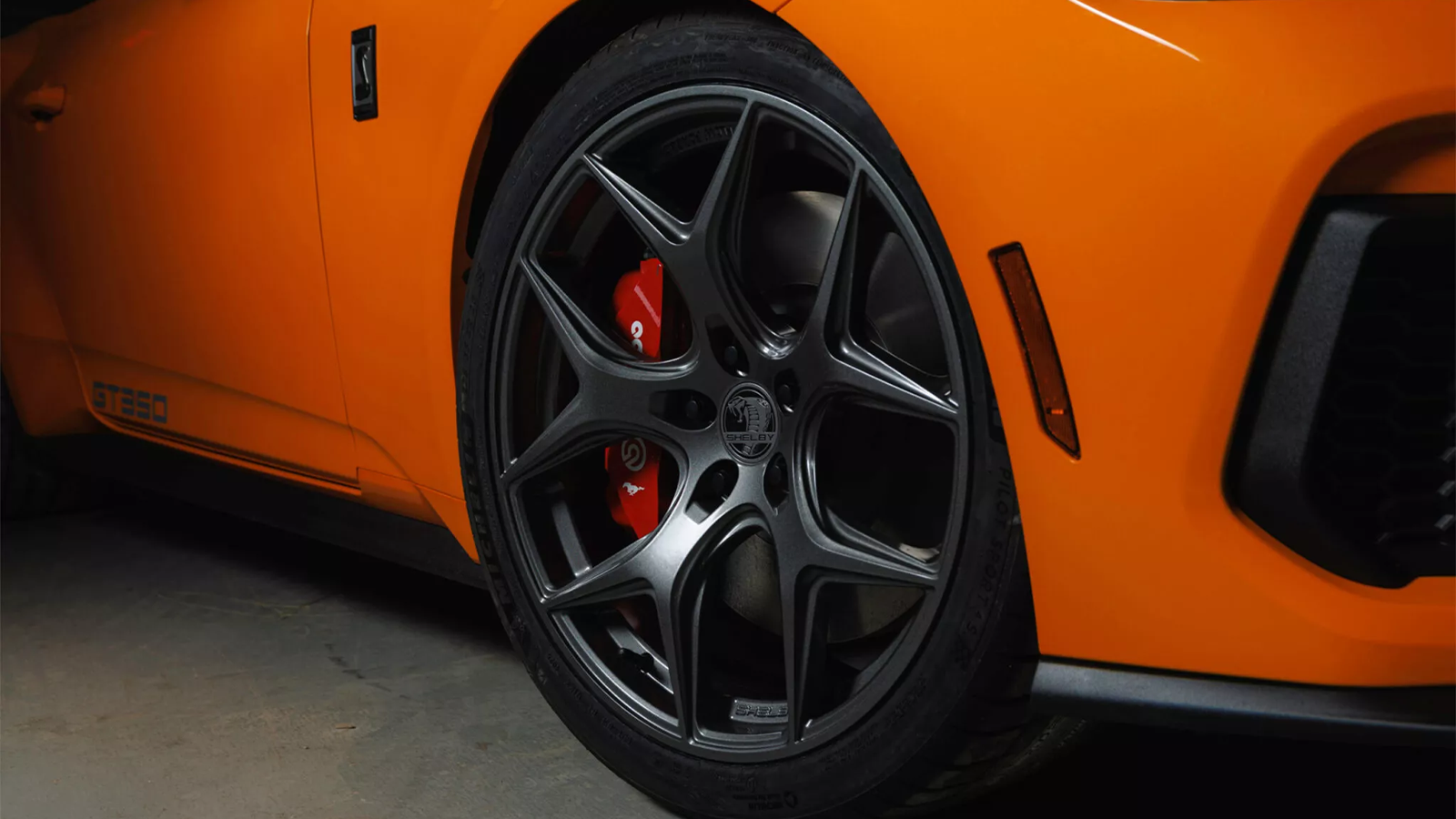
Shelby has made meaningful mechanical changes to ensure the convertible can handle its added performance. The GT350 Convertible receives lowering springs, revised sway bars, caster-camber plates, and a Borla cat-back exhaust system. Rolling stock consists of 20-inch forged alloy wheels designed to reduce unsprung weight, helping preserve handling precision despite the loss of a fixed roof.
Subtle but Purposeful Design
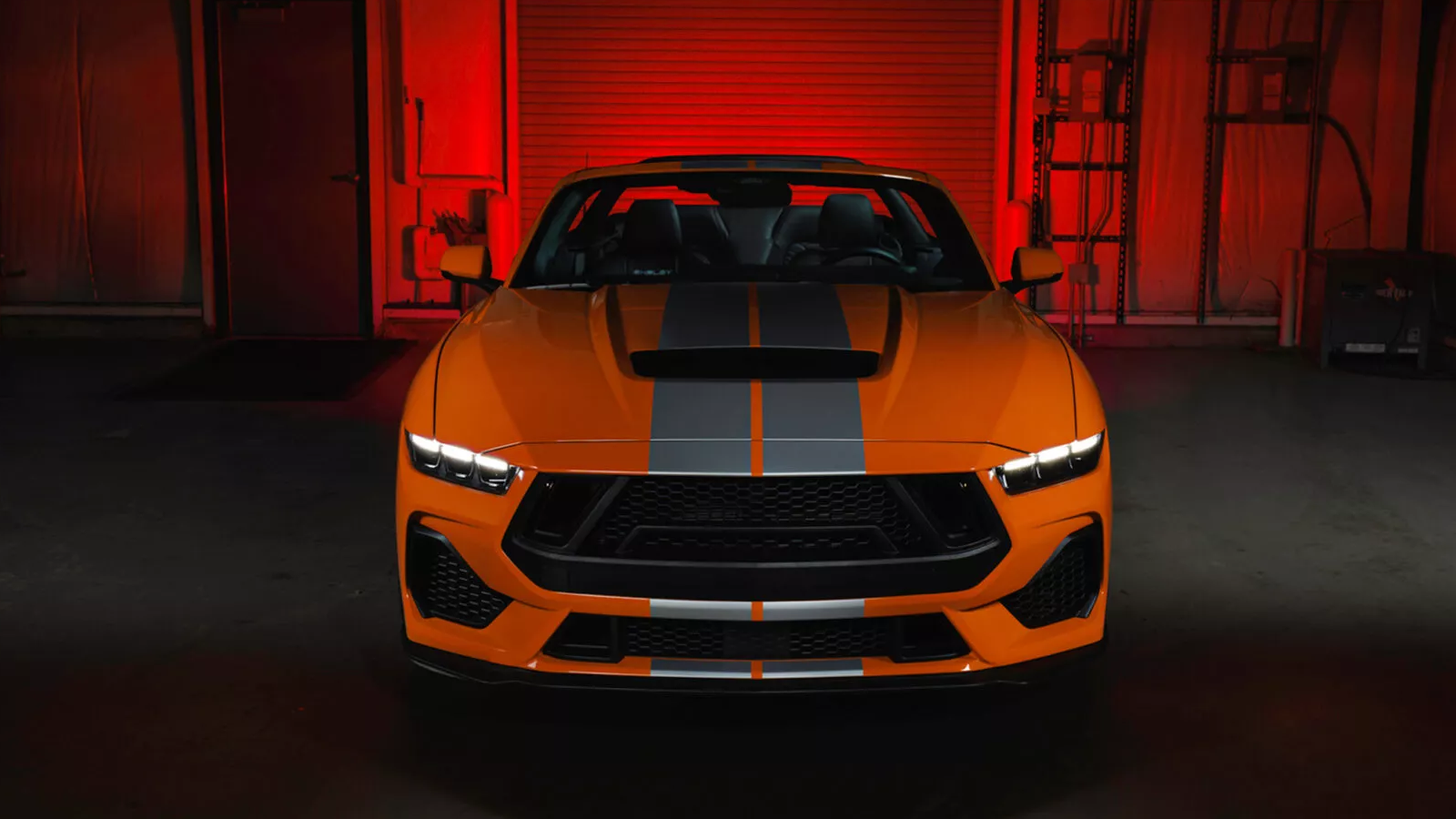
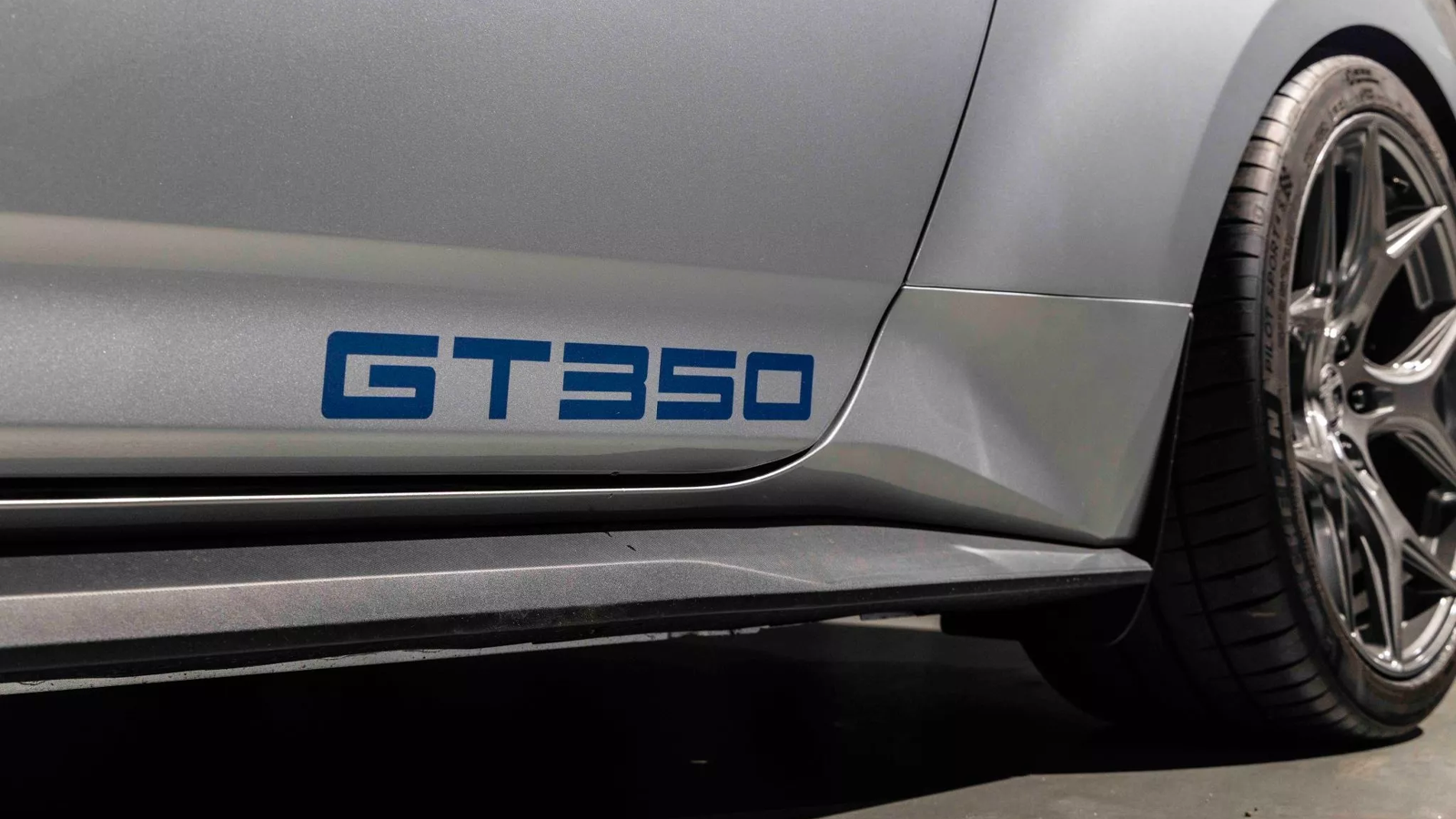
Visually, the GT350 Convertible avoids the more aggressive styling seen on cars like the Super Snake. Instead, it features a reshaped aluminum hood with a heat extractor, revised upper and lower grilles, a three-piece front splitter, Shelby badging, tinted windows, and a standard ducktail spoiler. Buyers looking for a more track-inspired look can option a fixed carbon-fiber rear wing.
Interior Tweaks and Shelby Details
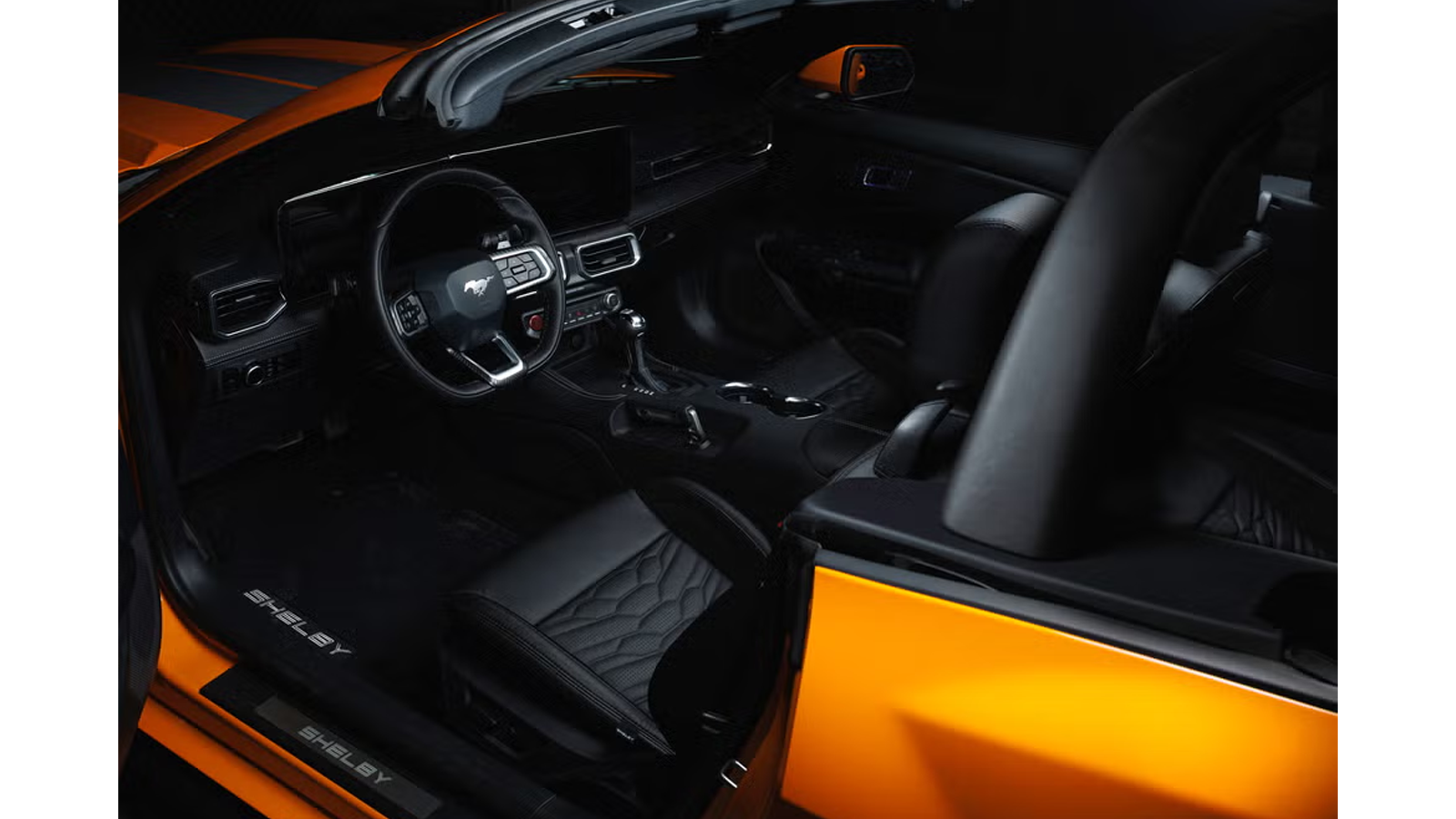
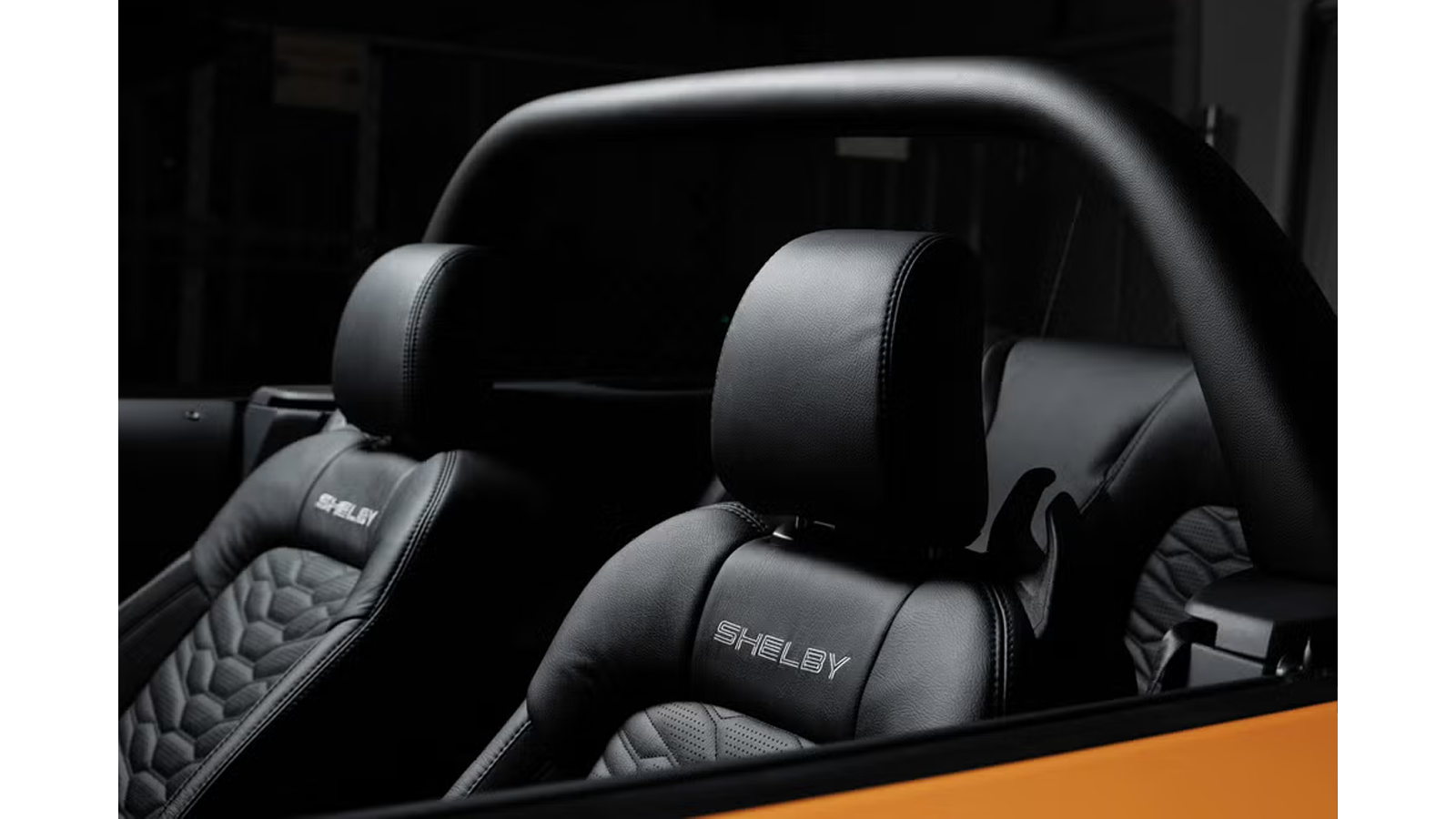
Inside, the cabin largely mirrors the standard Mustang layout, but Shelby-specific touches set it apart. The seats are trimmed in leather with quilted inserts, and the dashboard features a serialized Shelby plaque. Manual cars receive a unique shift knob, while embroidered floor mats and available racing stripes reinforce the car’s limited-production status. Convertible models can also be fitted with a roll bar positioned behind the front seats.
Pricing and Production Limits
Pricing reflects the car’s exclusivity and performance. The GT350 Convertible starts at $177,884, roughly $6,000 more than the GT350 fastback, but still far below the Mustang GTD’s roughly $325,000 entry point. Shelby initially planned to cap GT350 production at 526 units for 2025, but strong demand has pushed the run into 2026. The company expects to build fewer than 1,000 examples total, sold through select Ford dealerships in the U.S., with limited availability in Europe and the Asia-Pacific region.
Warranty and Ownership Reality
Although Shelby American operates independently of Ford, each GT350’s powertrain is covered by Ford’s factory warranty for three years or 36,000 miles. One caveat: the warranty does not transfer to subsequent owners, a detail prospective buyers—especially collectors—will want to keep in mind.
A Different Kind of Halo Mustang
The 2026 Shelby GT350 Convertible isn’t about chasing Nürburgring lap records or redefining what a factory Mustang can cost. Instead, it targets enthusiasts who want serious power, open-air driving, and mechanical choice in a market increasingly defined by automation and exclusivity. As Shelby itself has long implied, sometimes performance is about experience, not just numbers.